
How I read a business — and what I build for one.
First, five demonstration reads showing how a business gets diagnosed. Then six real, published Notion workspaces showing what gets built. Diagnosis, then delivery — both on one page.
Book a fit callFive industries. Five structural patterns.
Each is a composite drawn from real patterns, no real client named, with the one constraint holding the business back put in a single sentence. The businesses look nothing alike; the read works the same way on all of them.
An eight-person wood-products shop where the floor runs fine, but the owner is the only person who can price custom work — so estimating, quality sign-off, and every exception route through one desk.
A solo attorney with one assistant running $650K in annual billings, where the calendar is the firm’s operating system — and attorney attention is non-divisible during trial-prep windows.
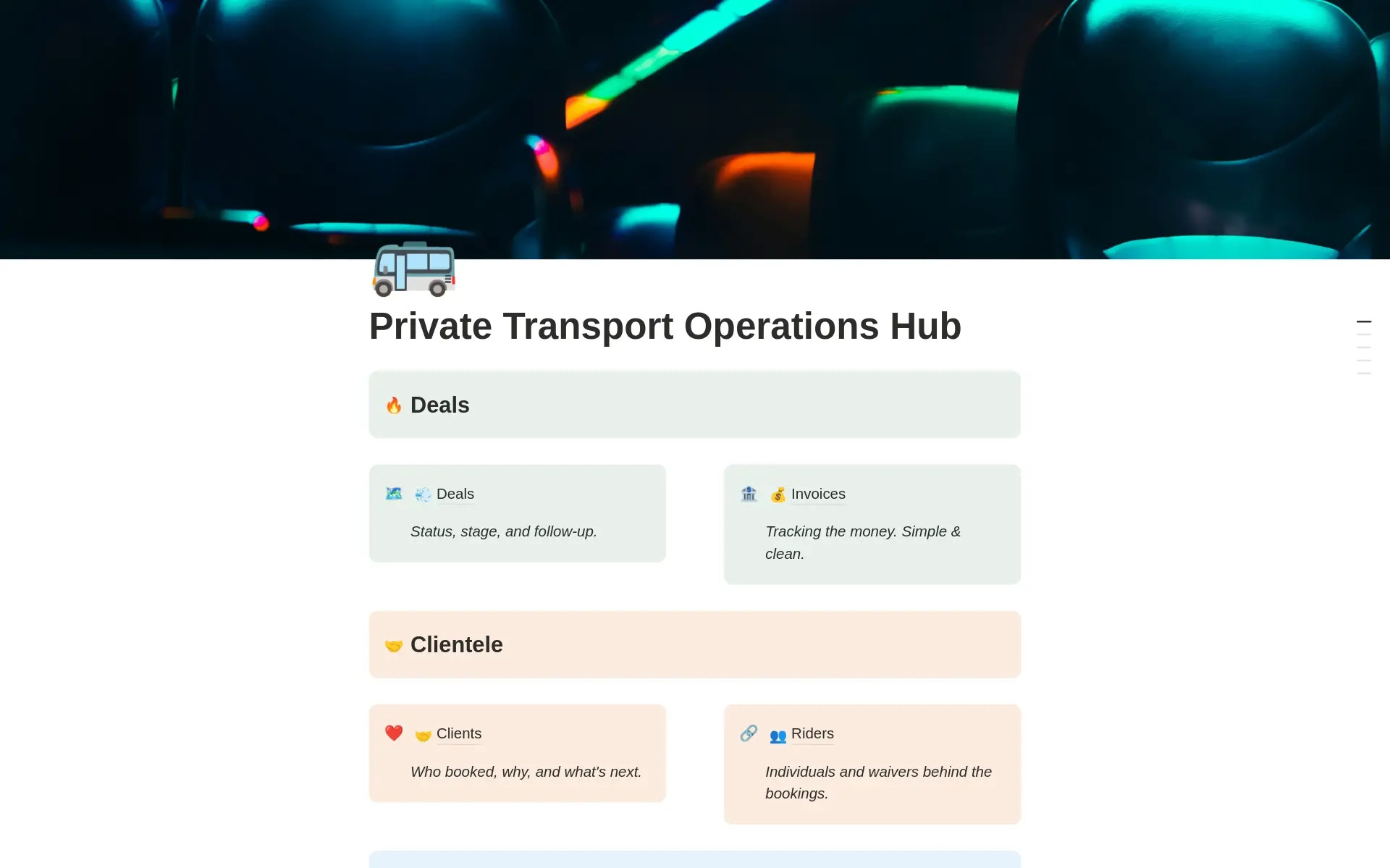
A college-town charter operation — six drivers, forty events a month, one owner who is dispatcher, conflict resolver, and sales team at once — where driver scheduling and vehicle assignment live entirely in the owner’s head.
Fourteen artists on roster and two staff, where the founding agent’s relationship equity with venues and labels is the firm’s only real asset — and all of that trust is personal to the founder and non-transferable.
A solo AI-orchestration practice at an inflection point, where the diagnosis, the client relationships, and quality control all live in one person — so diagnostic bandwidth is the only rate-limiting factor on revenue. The method, held to its own standard.
And here’s what gets built.
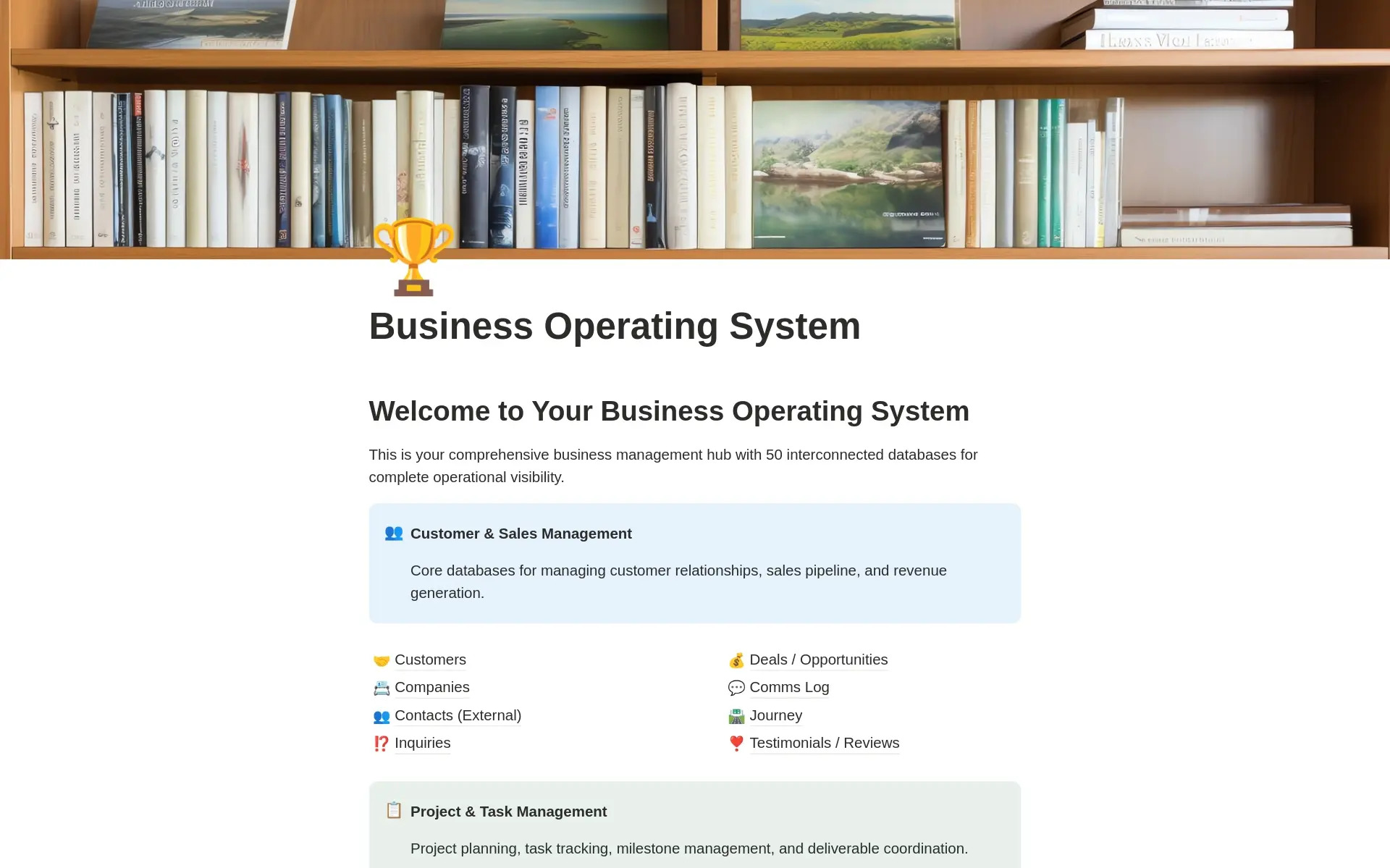
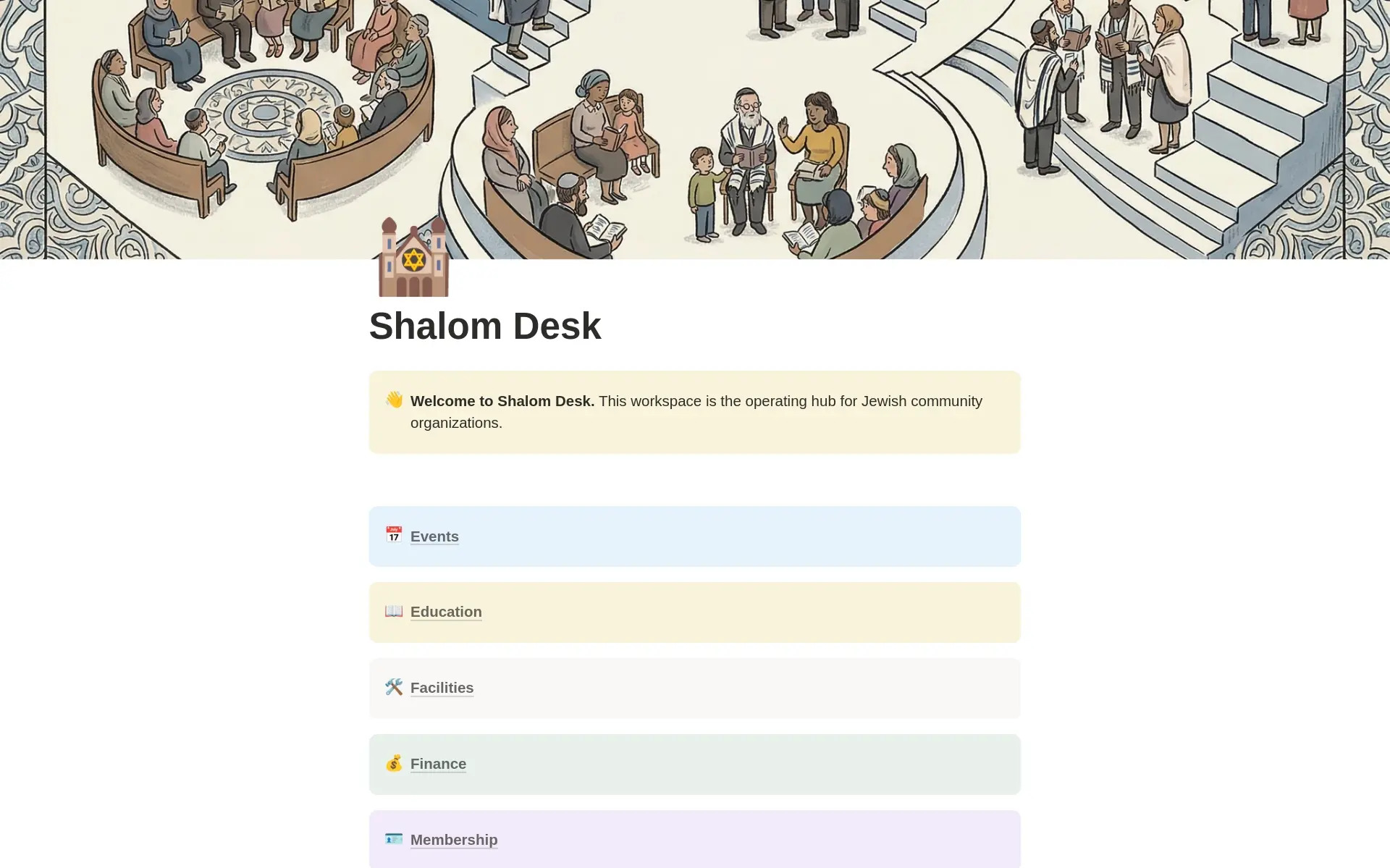
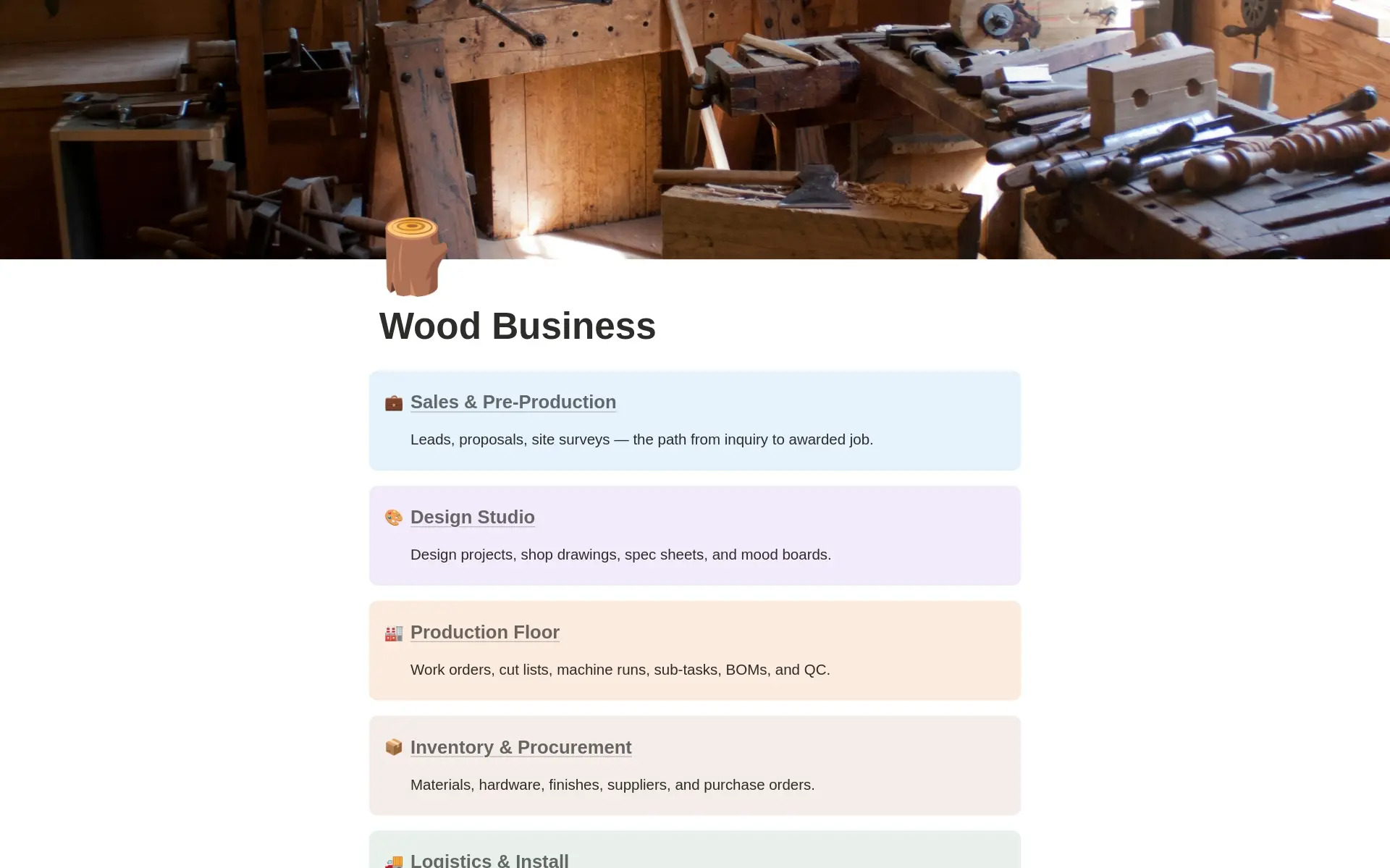
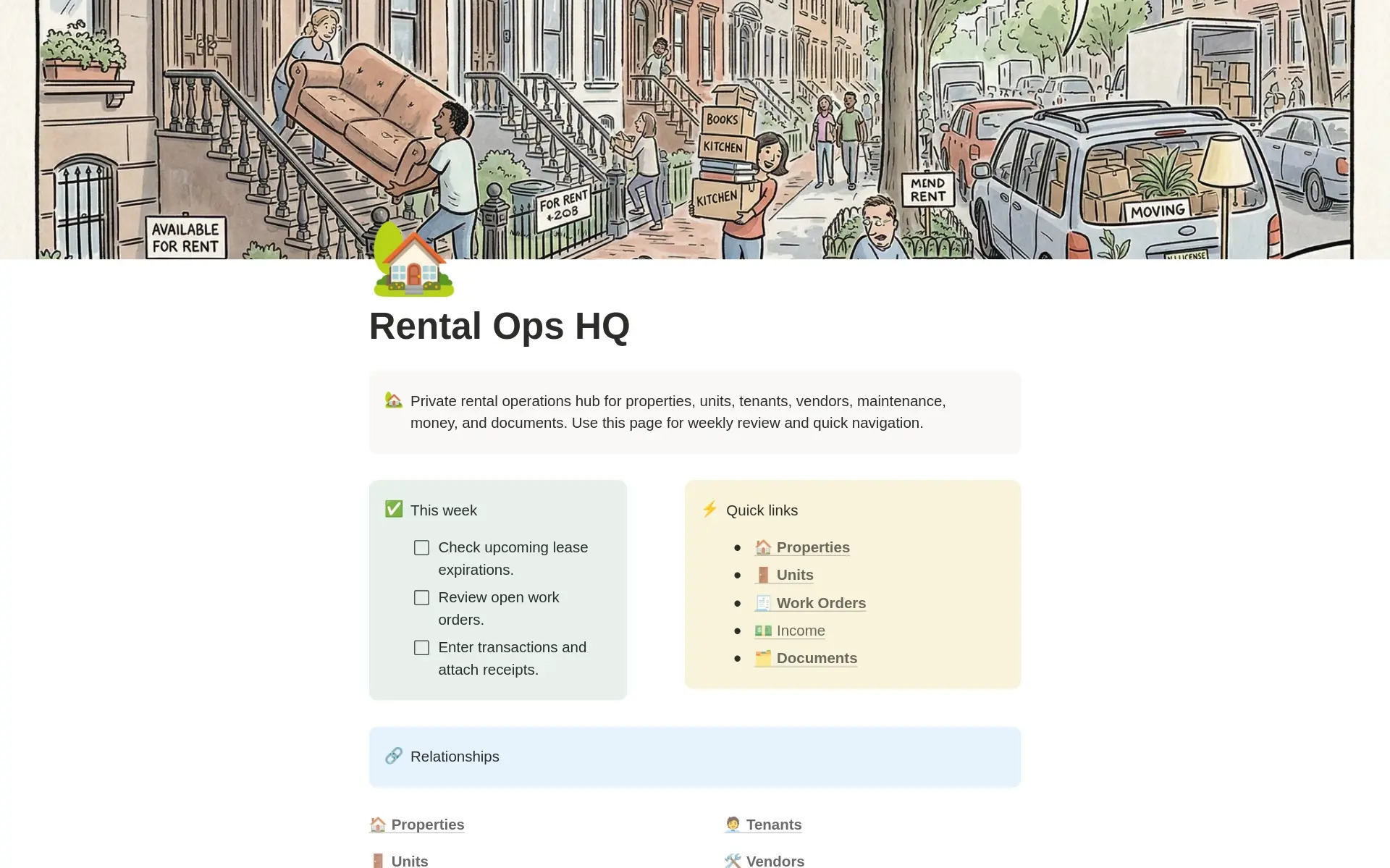
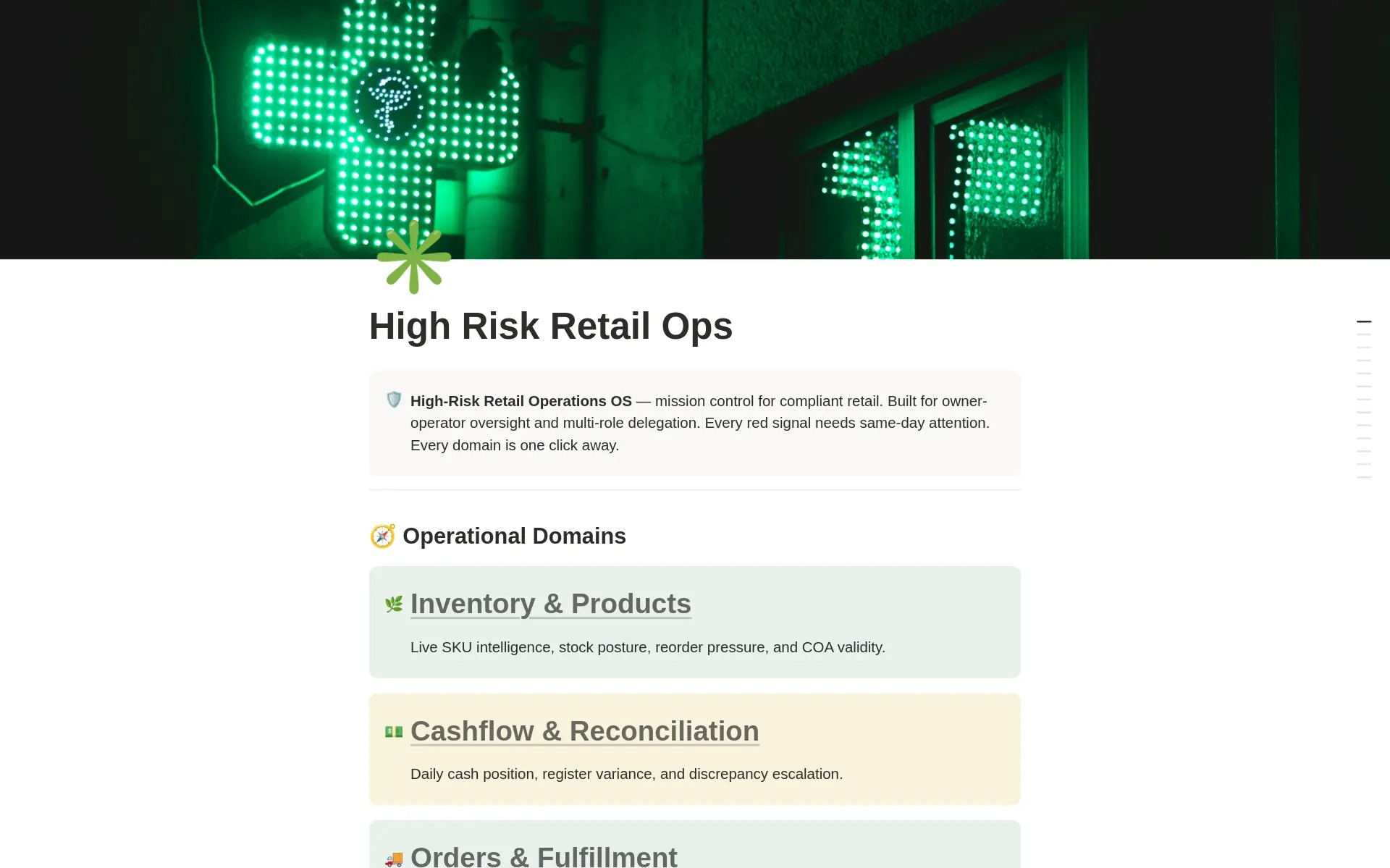
The reads above show how a business gets diagnosed. These are real, published Notion systems — each a full operating workspace designed and shipped for a specific kind of business.
Anatomy of a read.
Every report follows the same structure, whatever the business — the same one a Foundation engagement delivers for a real one.
The five functions, rated
Sensing, signaling, processing, deciding, and regulating — each marked functional, degraded, or absent, with the evidence for the rating.
The primary constraint, in one sentence
The one structural problem that, resolved, would change the next six months — named plainly, with the key clause in red, not buried in a list.
What routes to the owner
The specific decisions, exceptions, and approvals flowing through one person — the map of where the business depends on a head instead of a structure.
The few moves worth making first
Not a forty-point roadmap. The two or three structural changes that address the constraint directly, in order, each executable inside thirty days.
Now read your own.
The reports show the format. The Foundation produces this for your specific business — books current, workspace built, the constraint named. The fit call is where it starts.
Book a 20-minute fit call