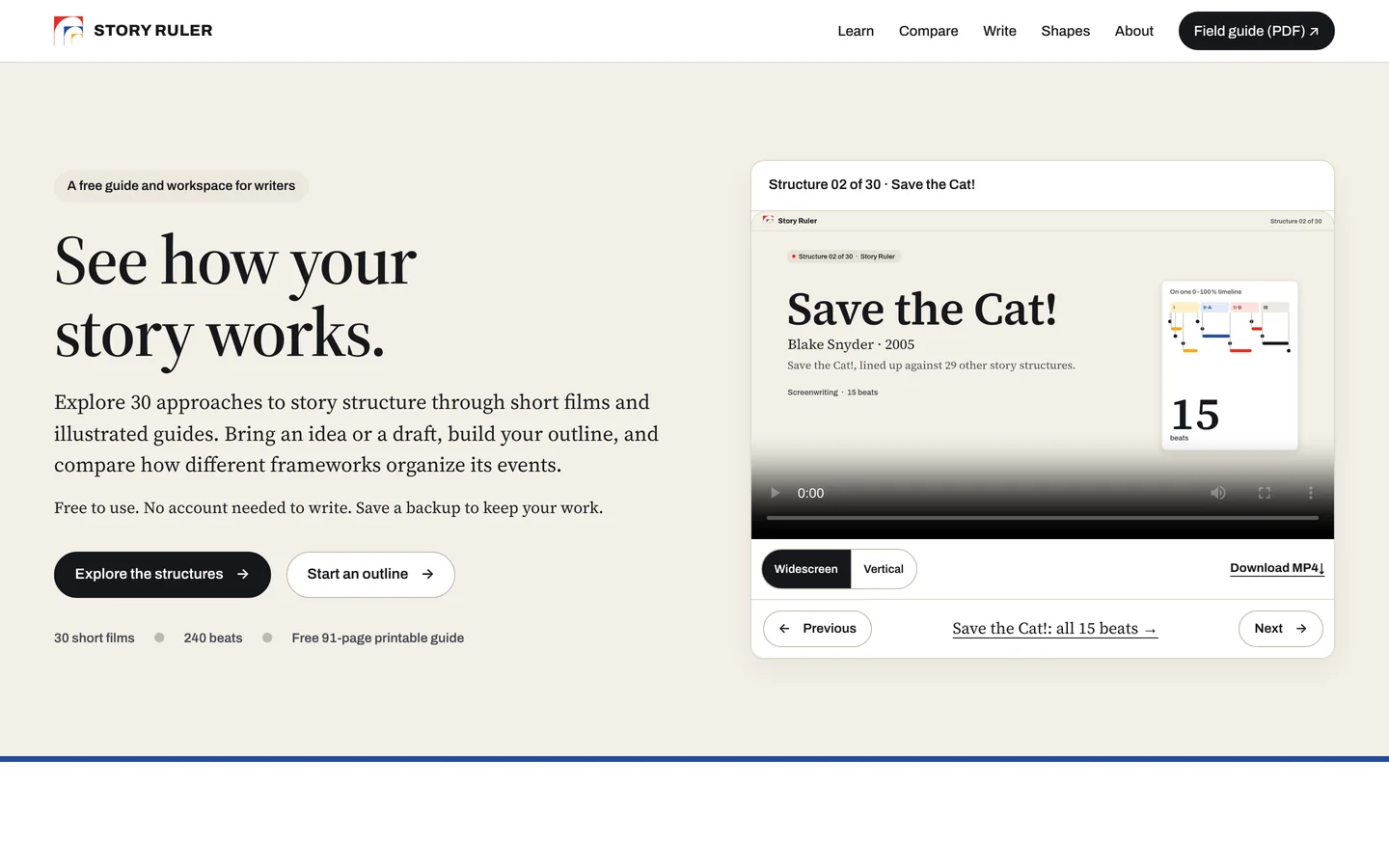
 Story structure for writers
StoryRuler
See what a different structure brings into view.
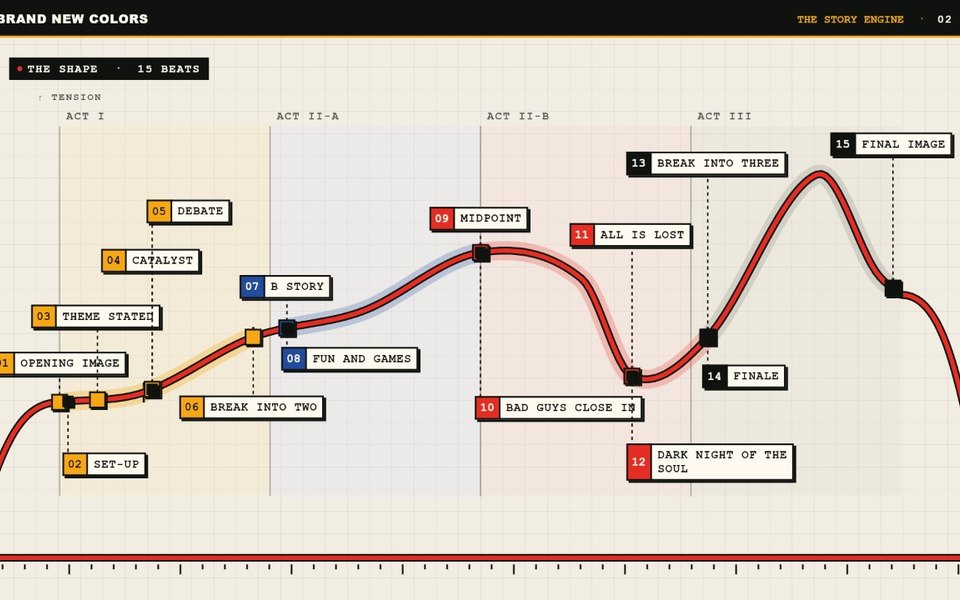
Explore 30 story structures through animated lessons, then outline your own work and compare how different frameworks organize its events.
Take a closer look →Games, experiences, websites, video, and business systems. I give unusual ideas form using AI-accelerated production and a human who knows what he’s trying to make.
Independent, founder-led, collaborative. Every project is a world of its own.
The best introduction is something you can open.
A writer wrestling with an outline. An advisor facing a difficult call. These projects started with someone’s actual work, and grew into tools with lives of their own.
Story structure for writersSee what a different structure brings into view.
Explore 30 story structures through animated lessons, then outline your own work and compare how different frameworks organize its events.
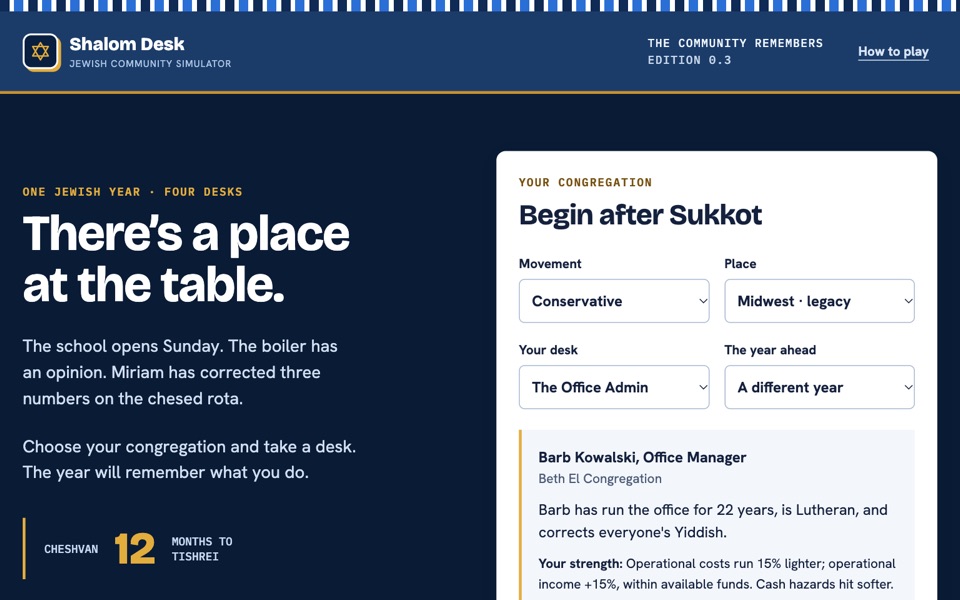
Take a closer look → A workspace for Jewish organizations
Help the next person pick up the thread.
A connected Notion workspace for Jewish organizations, bringing shared knowledge and recurring community work into one place.
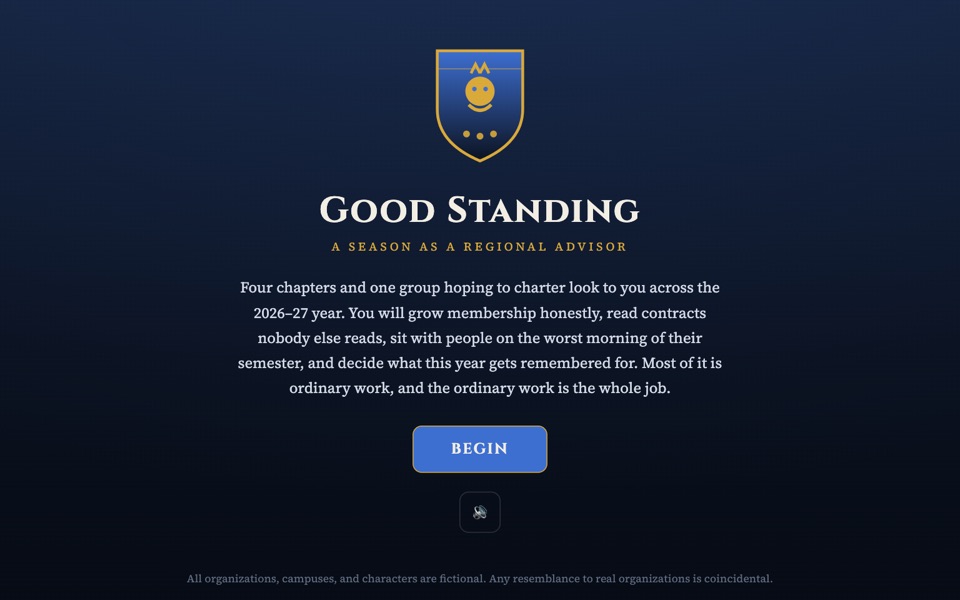
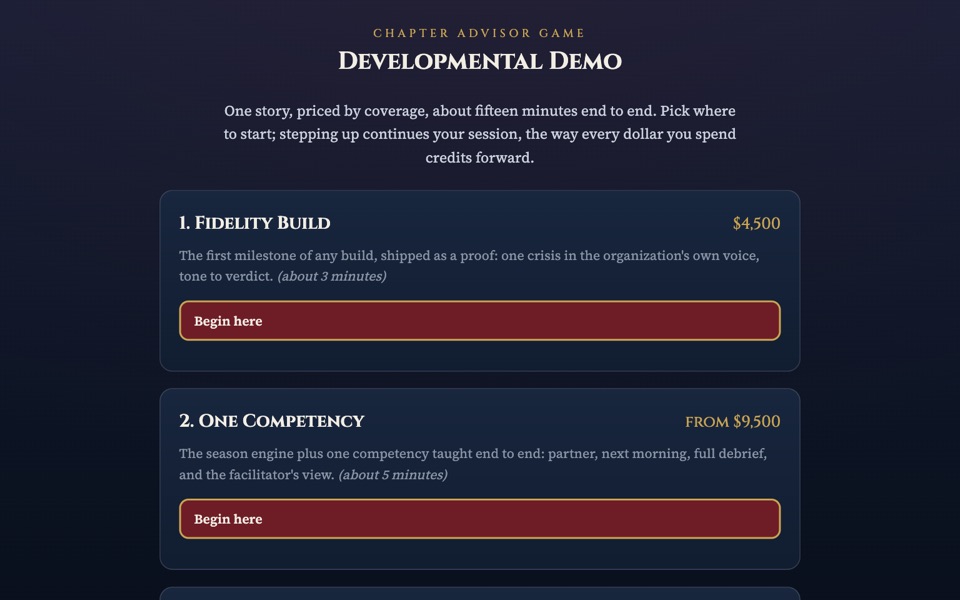
Take a closer look →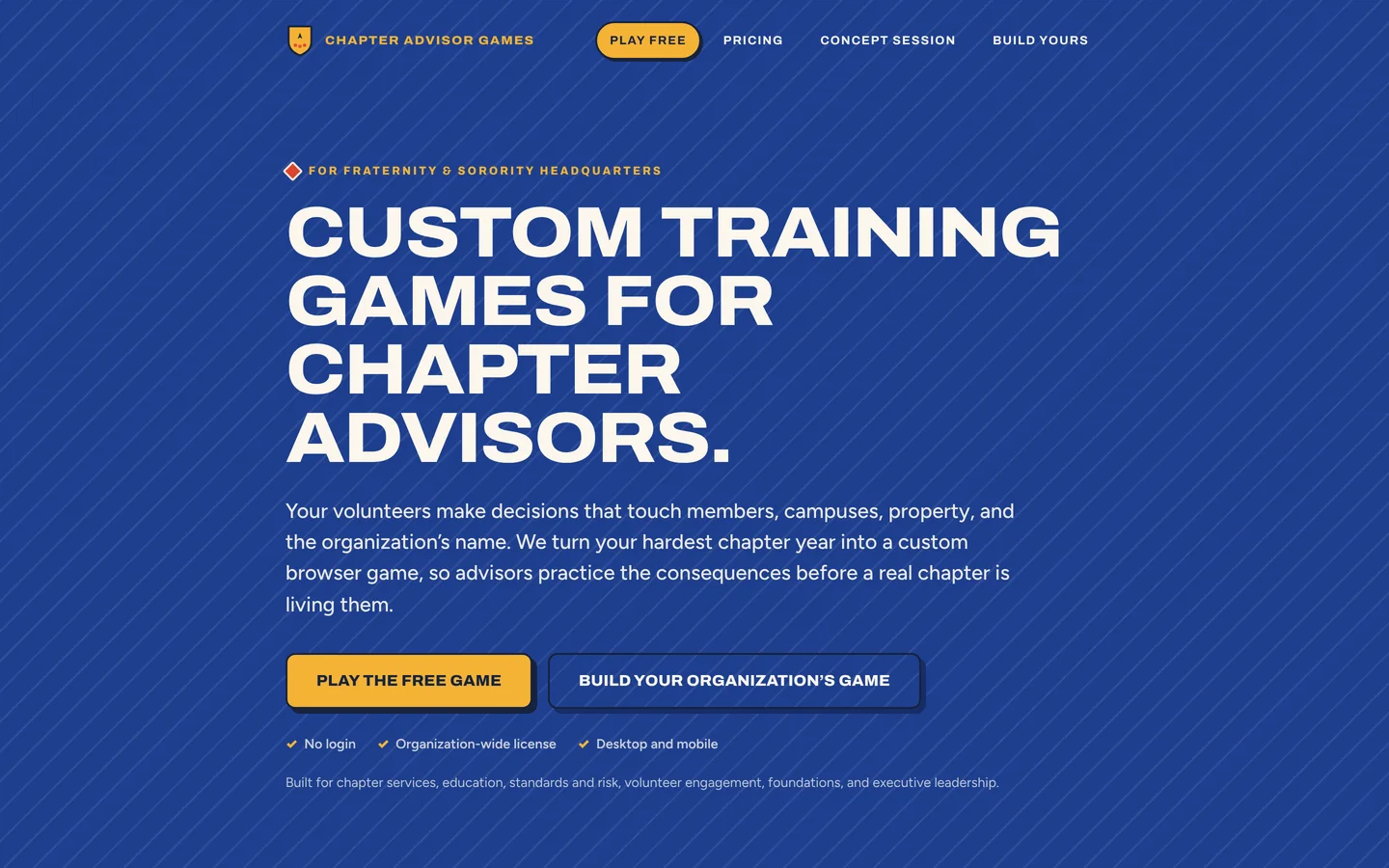 Practice for chapter advisors
The difficult call deserves a practice round.
Interactive simulations for fraternity and sorority chapter advisors, built around the decisions and responsibilities they face.
Take a closer look →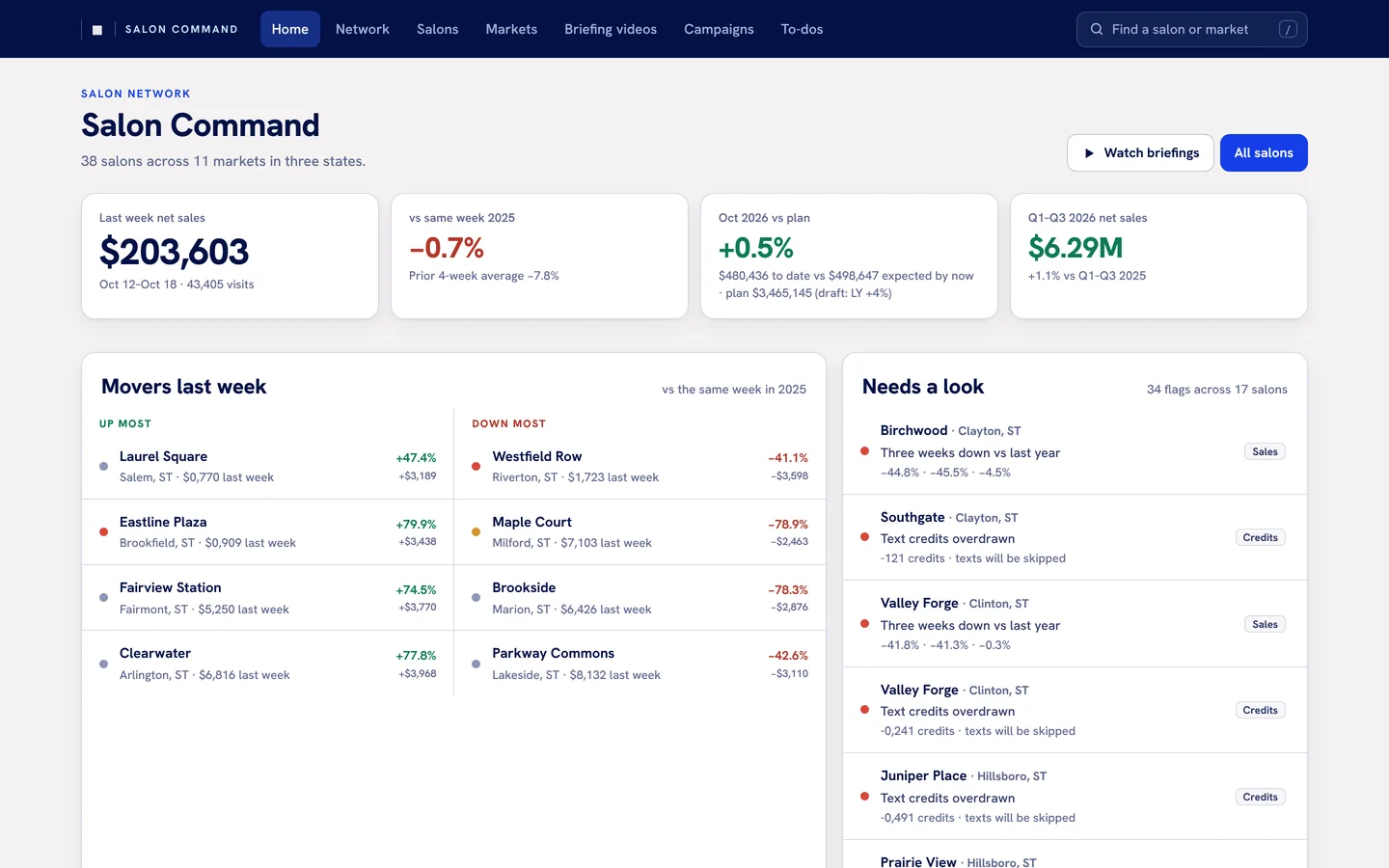 Software for a multi-location franchise
One place to see every location.
A franchise runs on several vendor systems, and none of their back ends can see the others. Salon Command collects from all of them automatically and puts the whole network on one page, with flags that say why.
Take a closer look →Each has its own purpose and way to get involved. Explore the rest of the studio below ↓
The writer passed out mid-sentence. You’re the fly on his typewriter. Somebody has to finish the chapter.
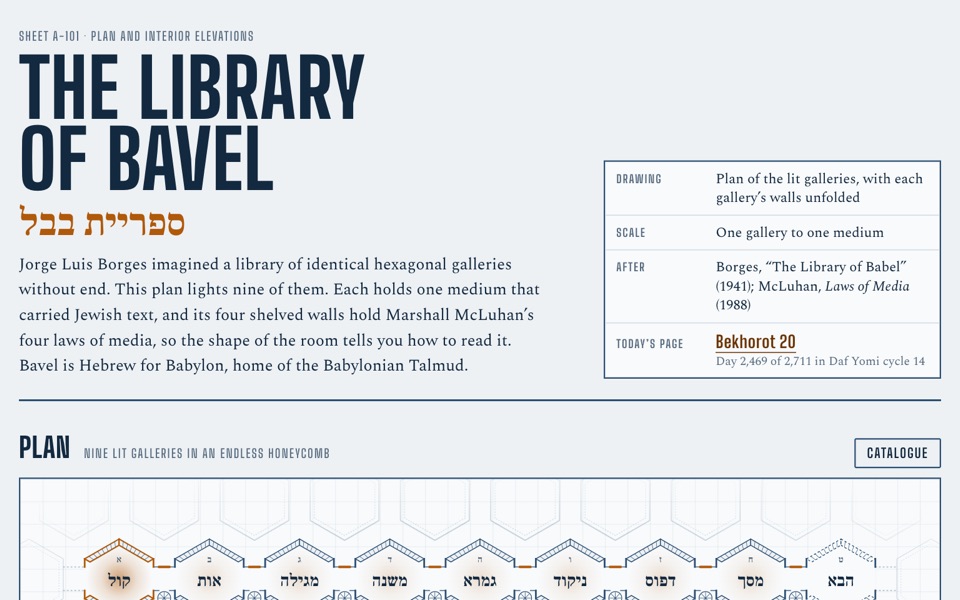
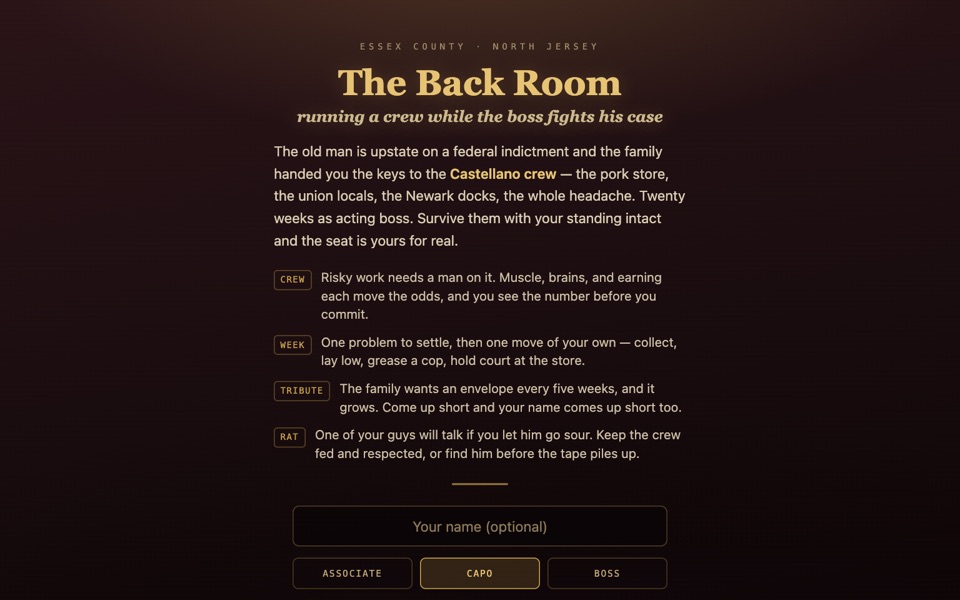
Fifty-eight projects, each with its own page. Walk around West Campus in 2006, run a small business, or spend time with a film. Some are useful. A few are deeply unreasonable.
The ones to play first.
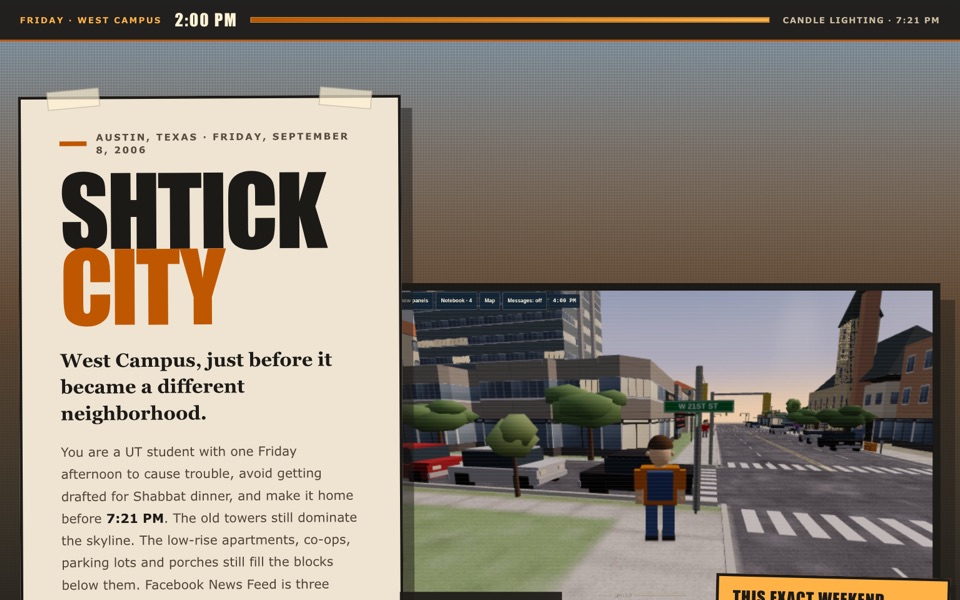
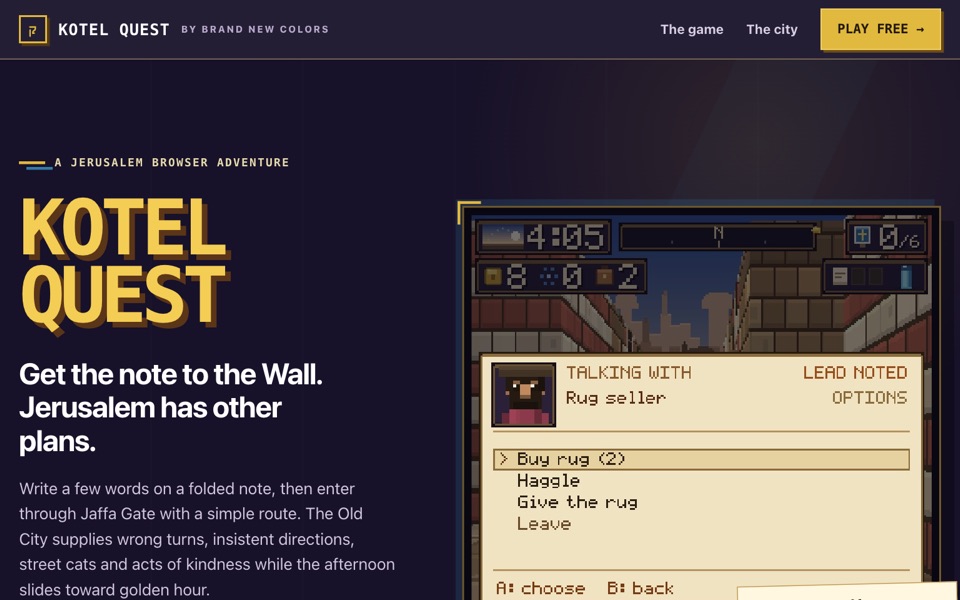
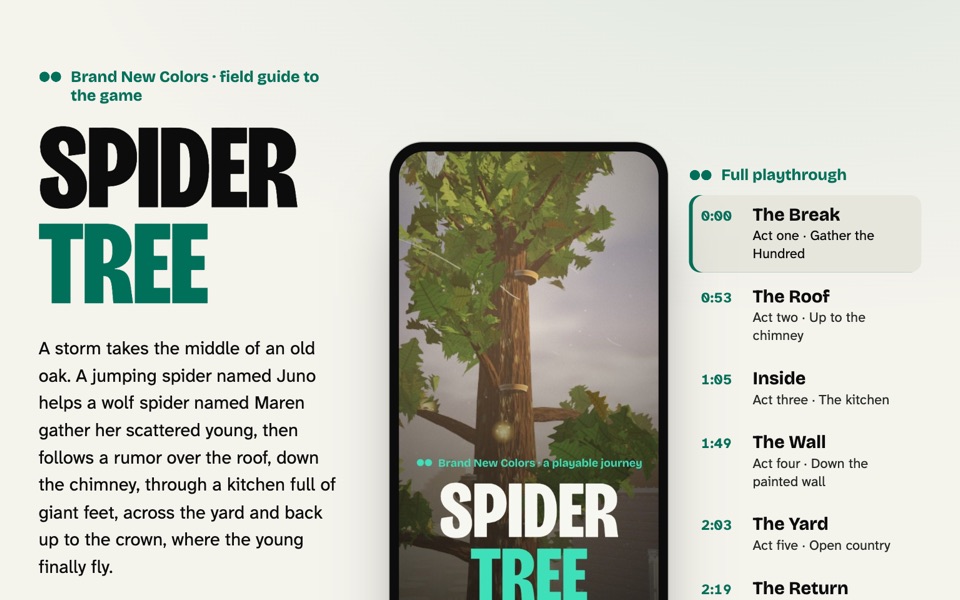
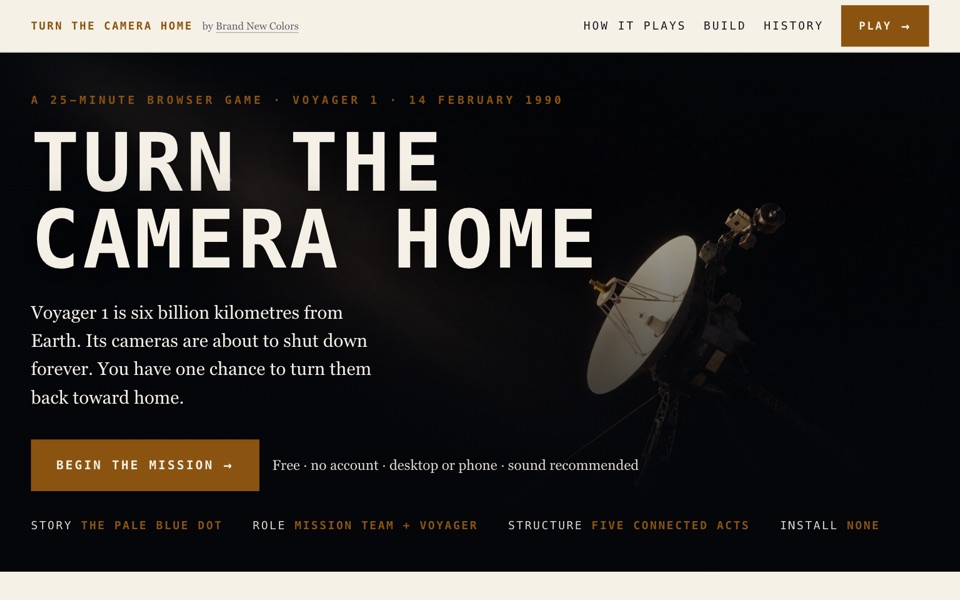
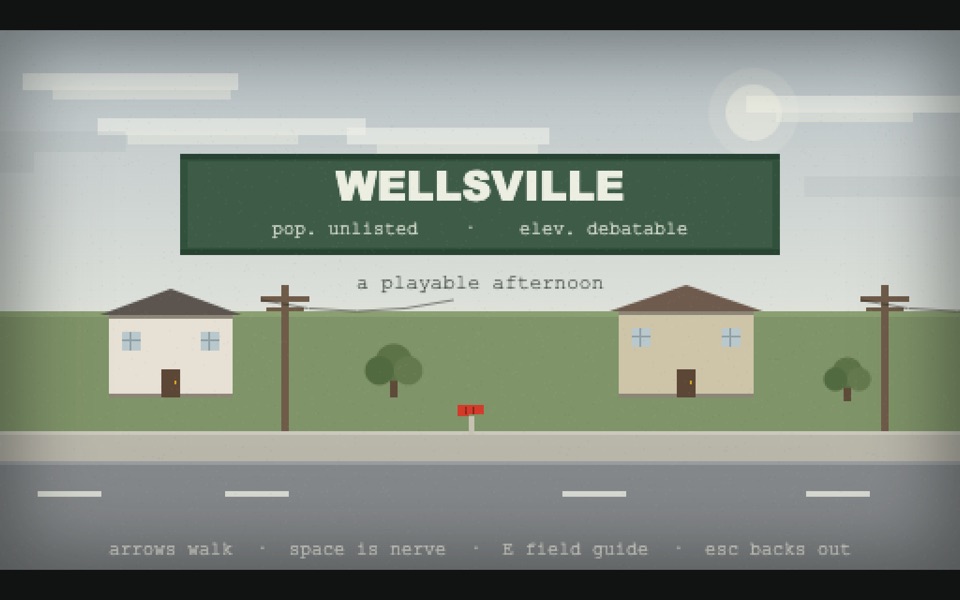

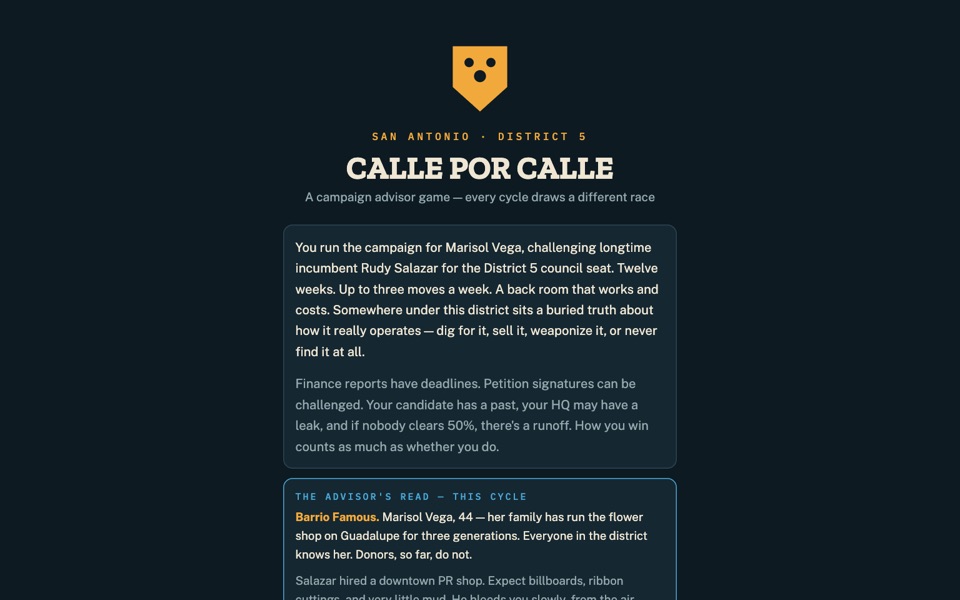
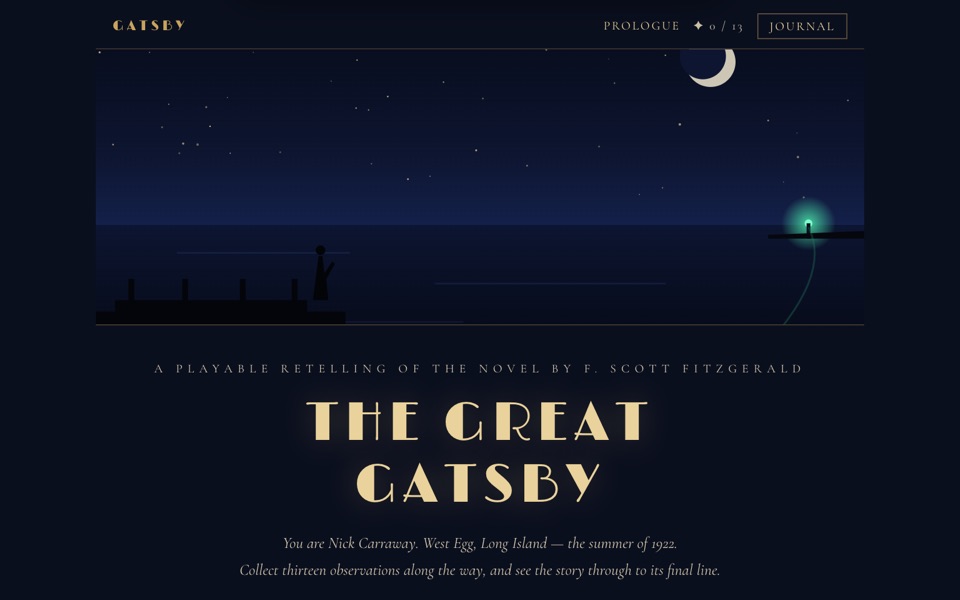
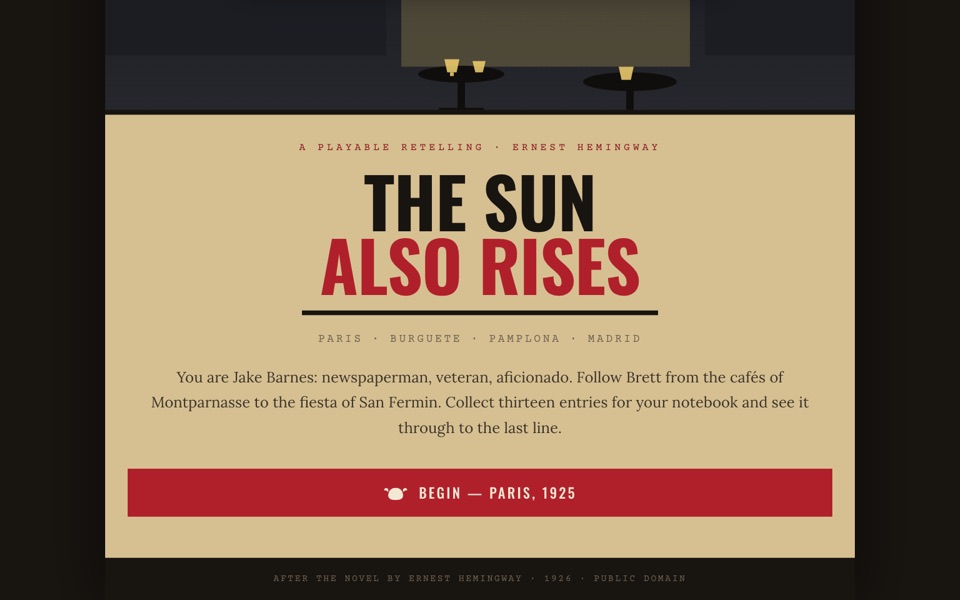
Novels and stories you can walk around inside.

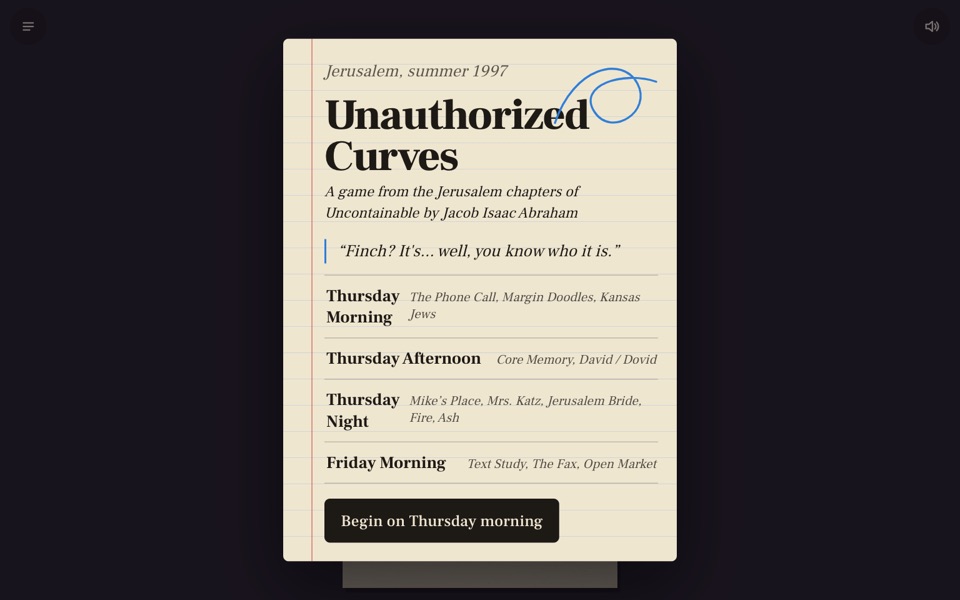
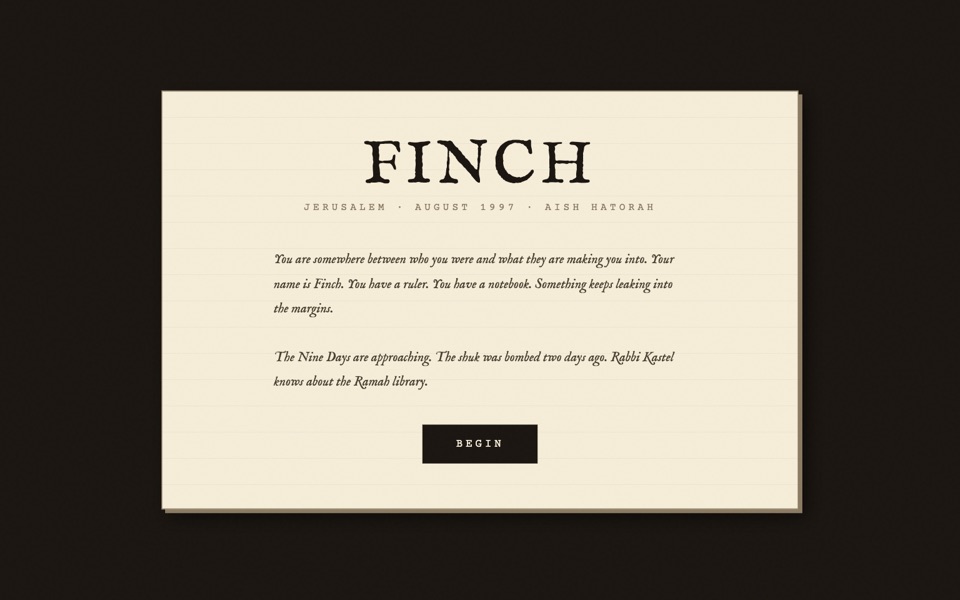
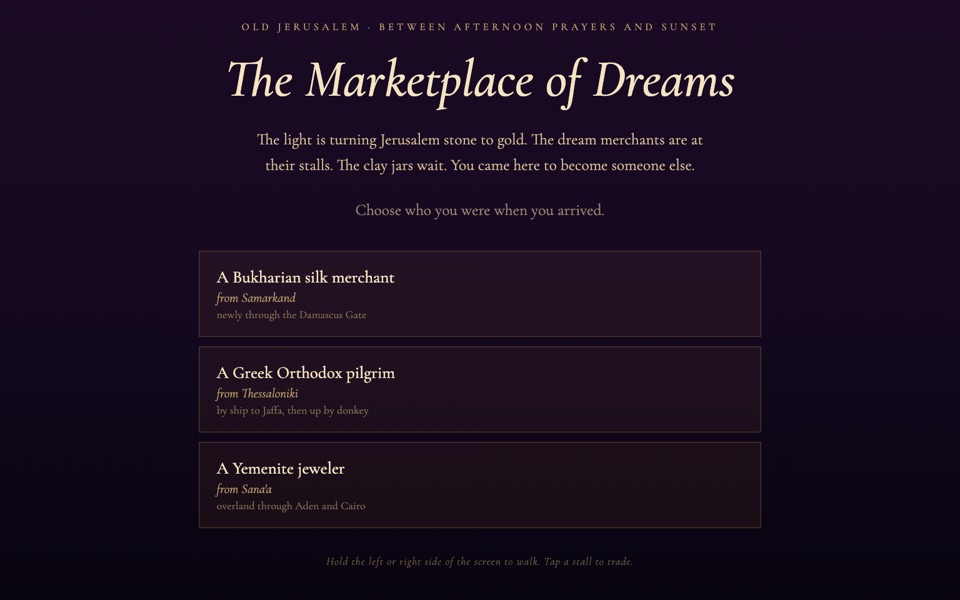

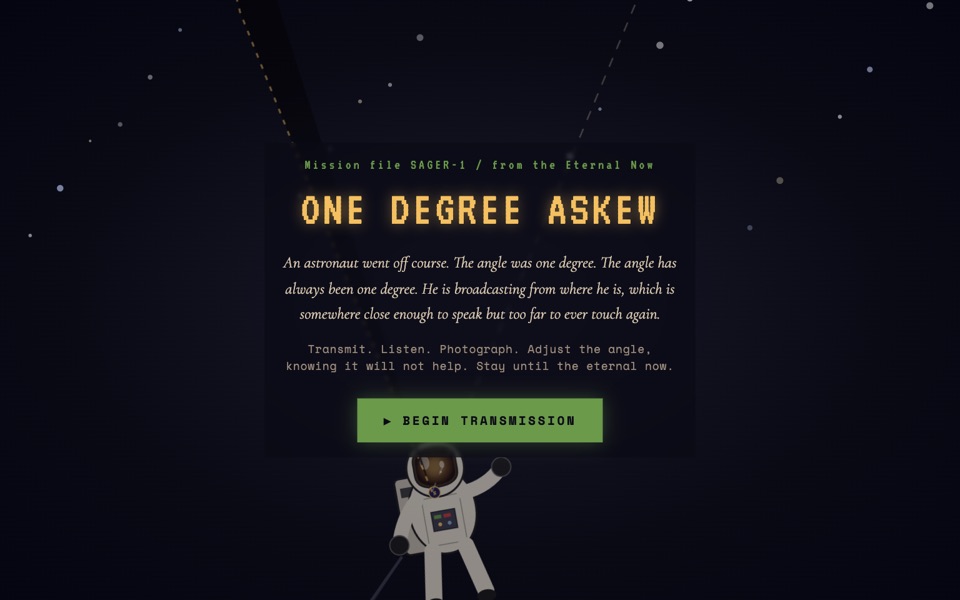
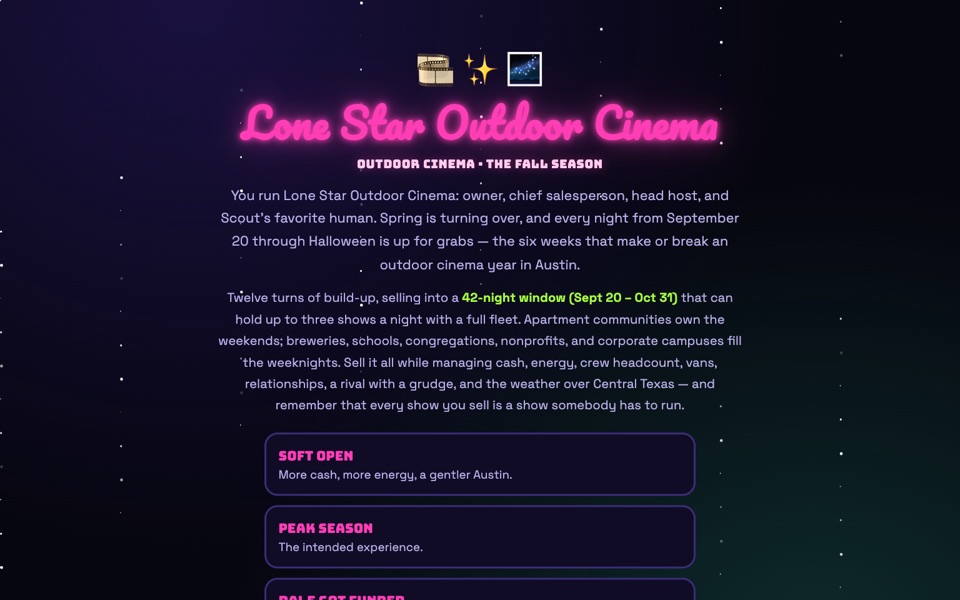
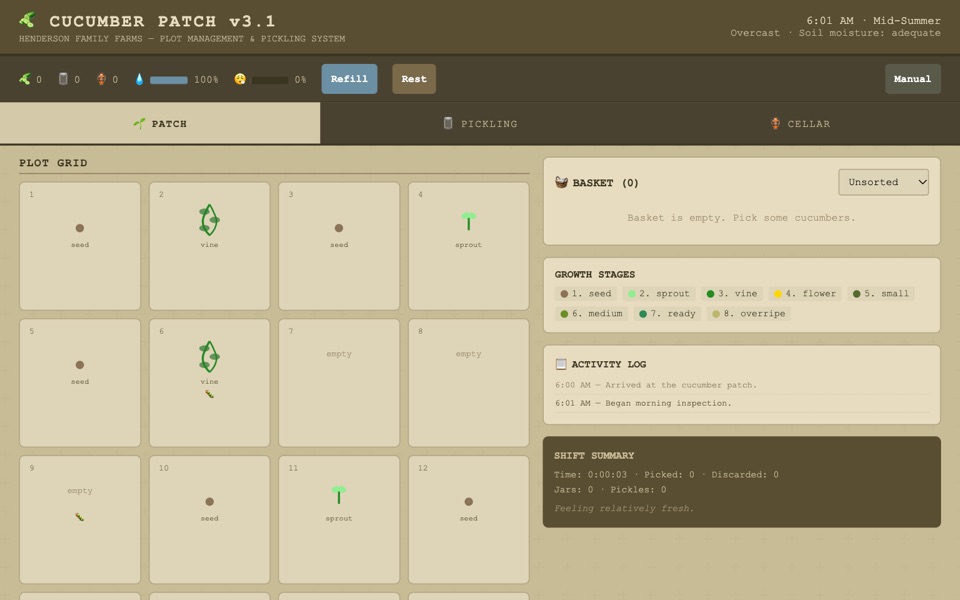
Payroll, weather and regulars. Running the place is the game.

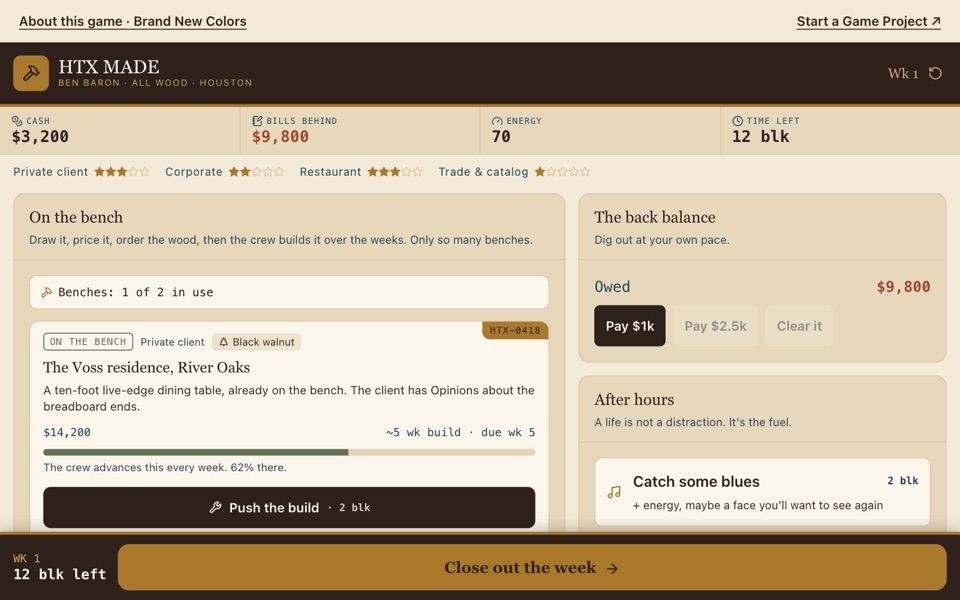
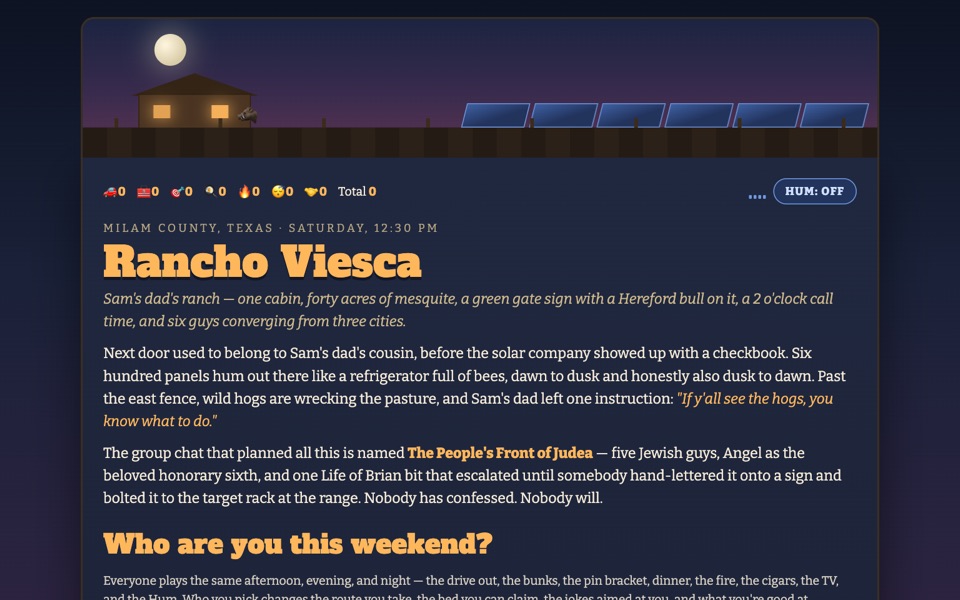
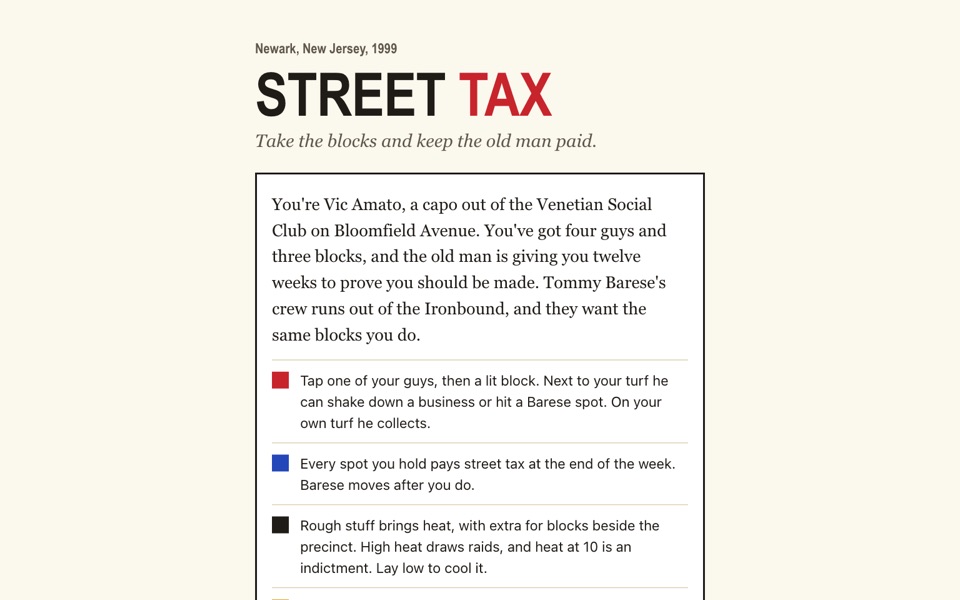
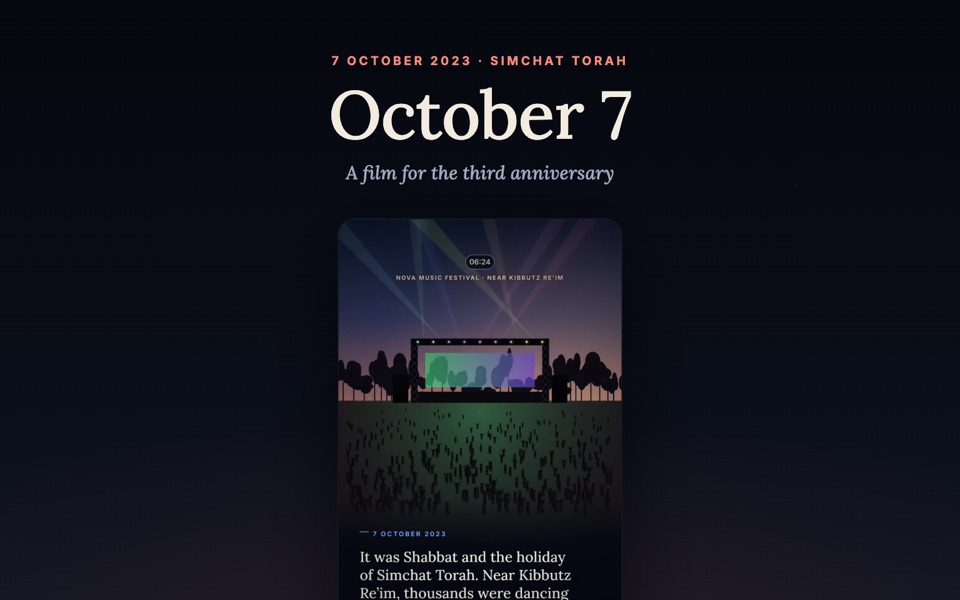
Animated films and the pages built around them.
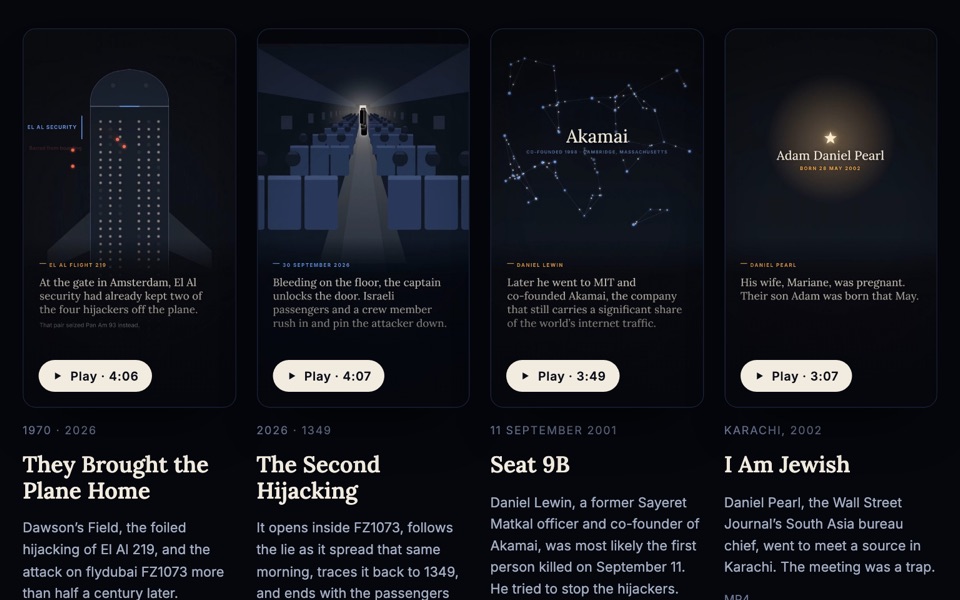



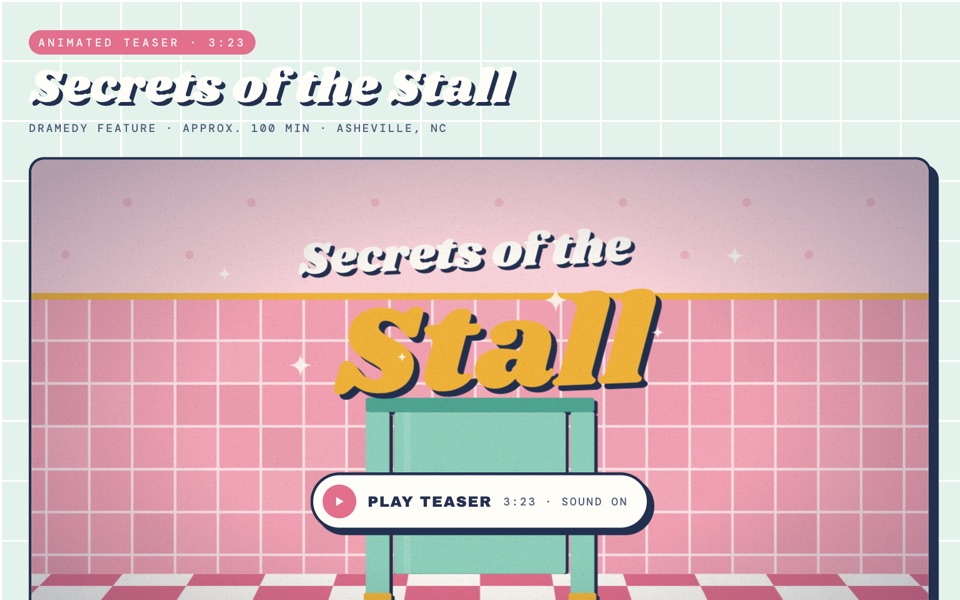
Bad ideas, fully committed to.
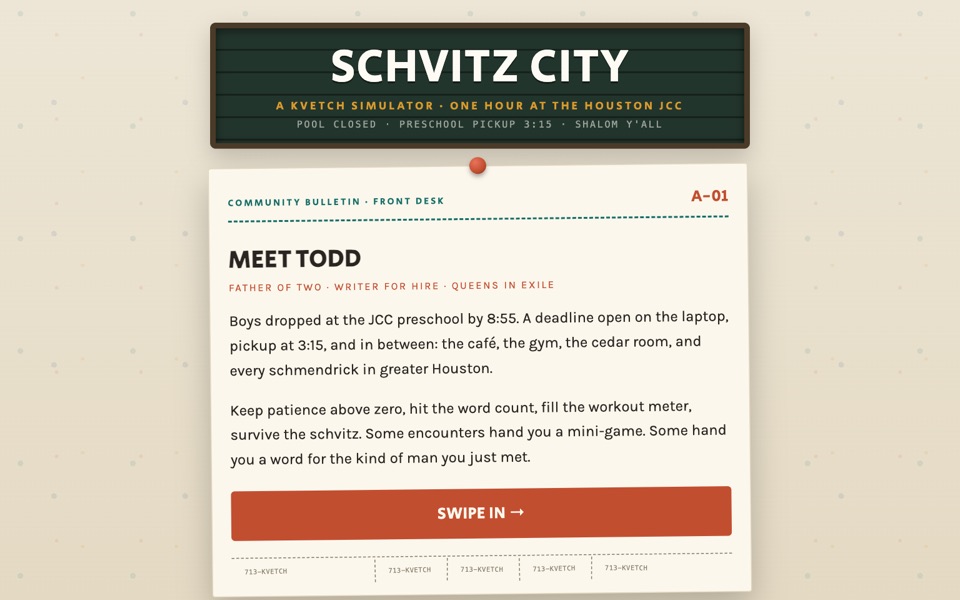
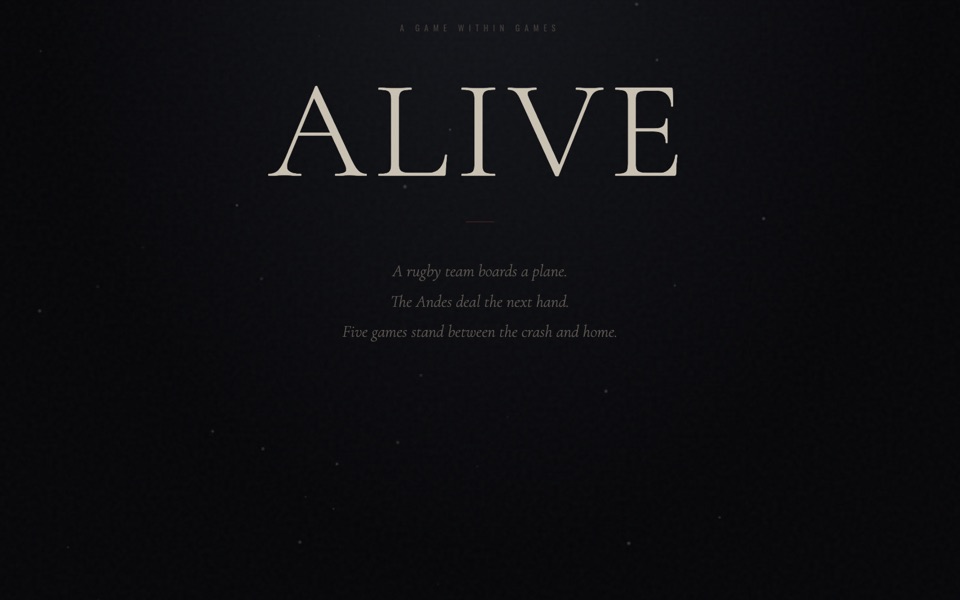
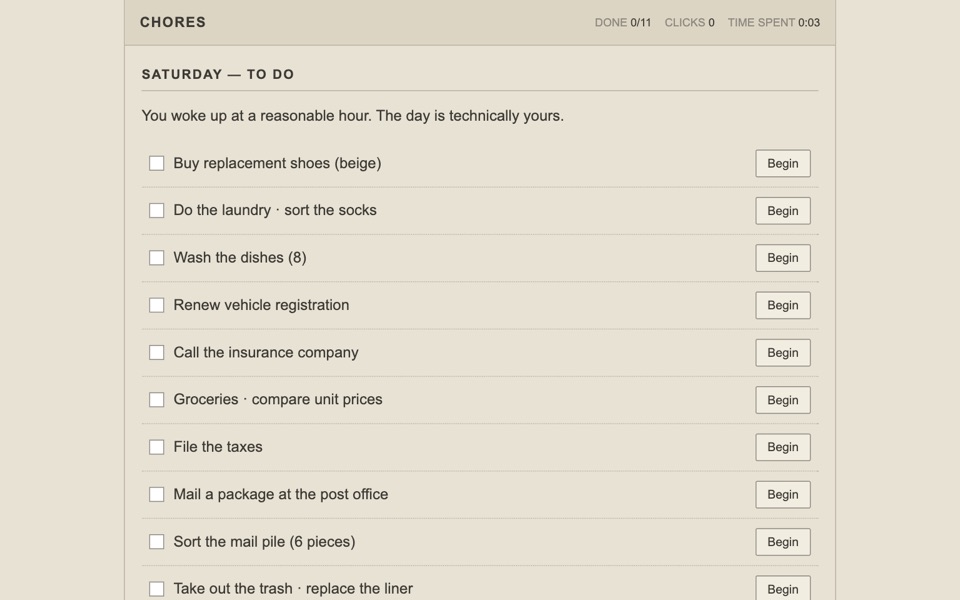
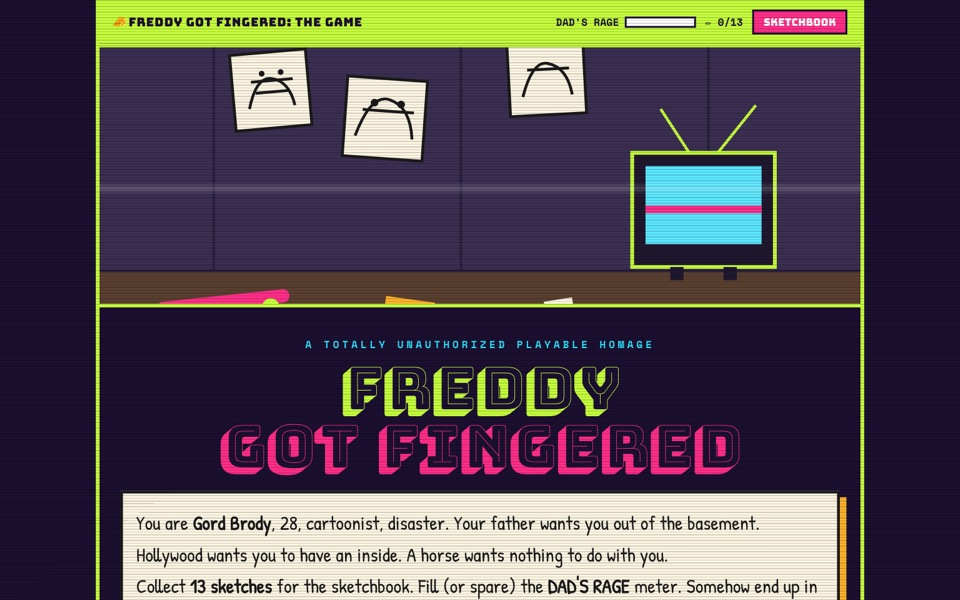
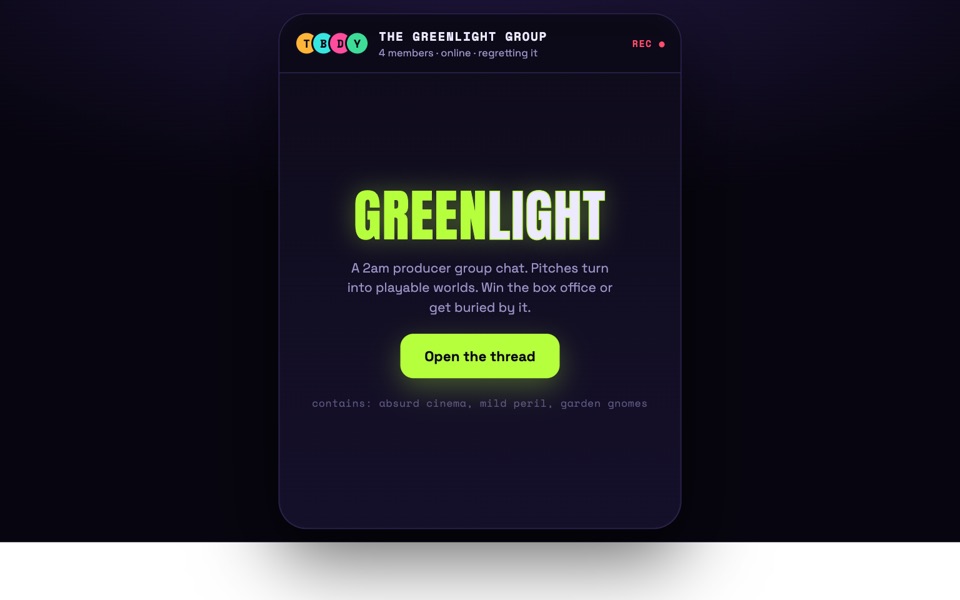
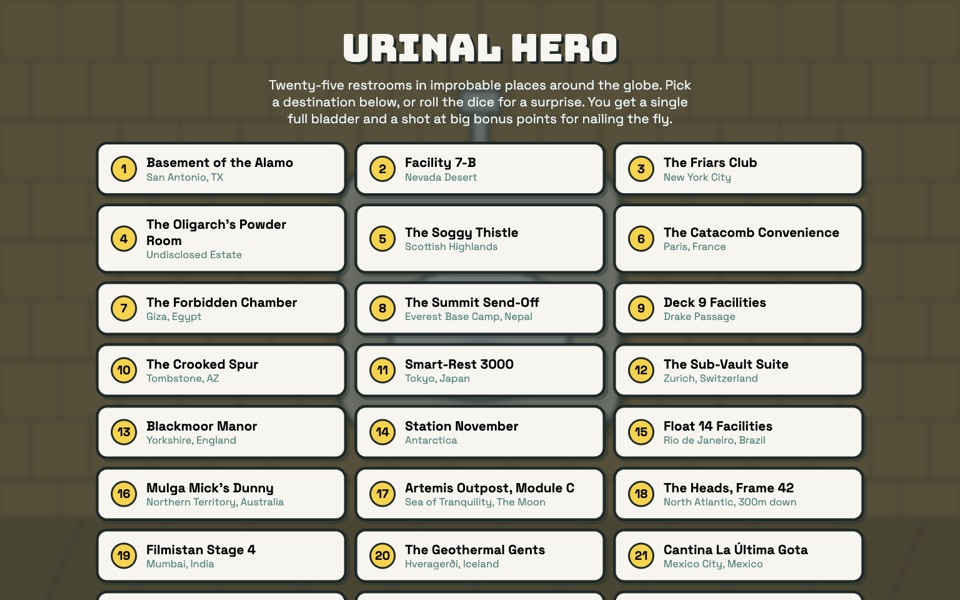
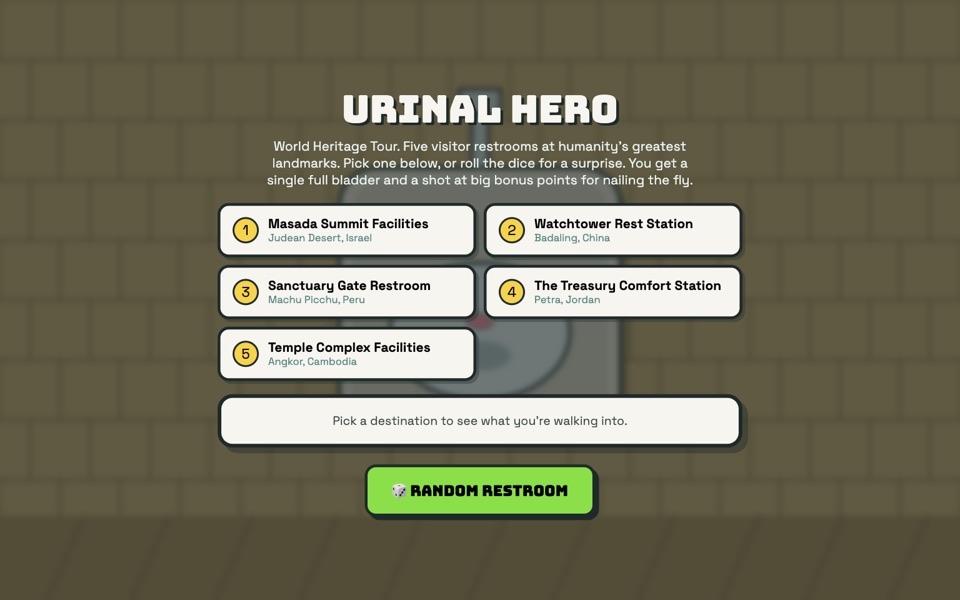
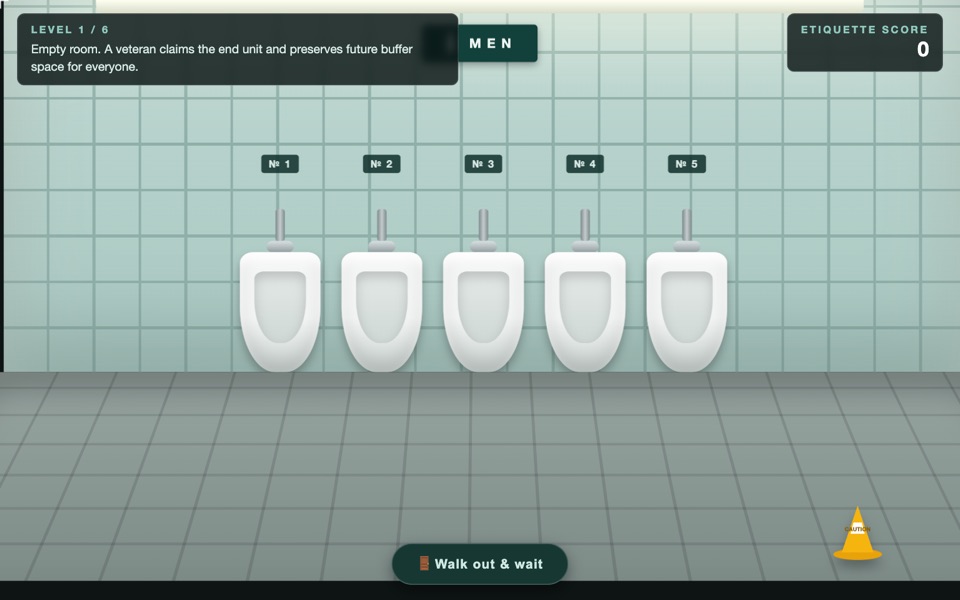
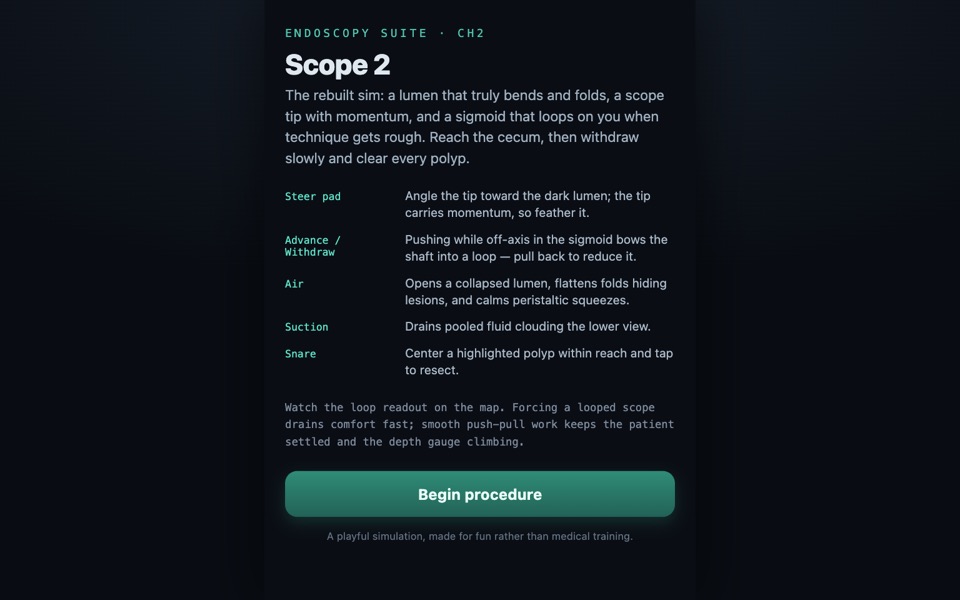

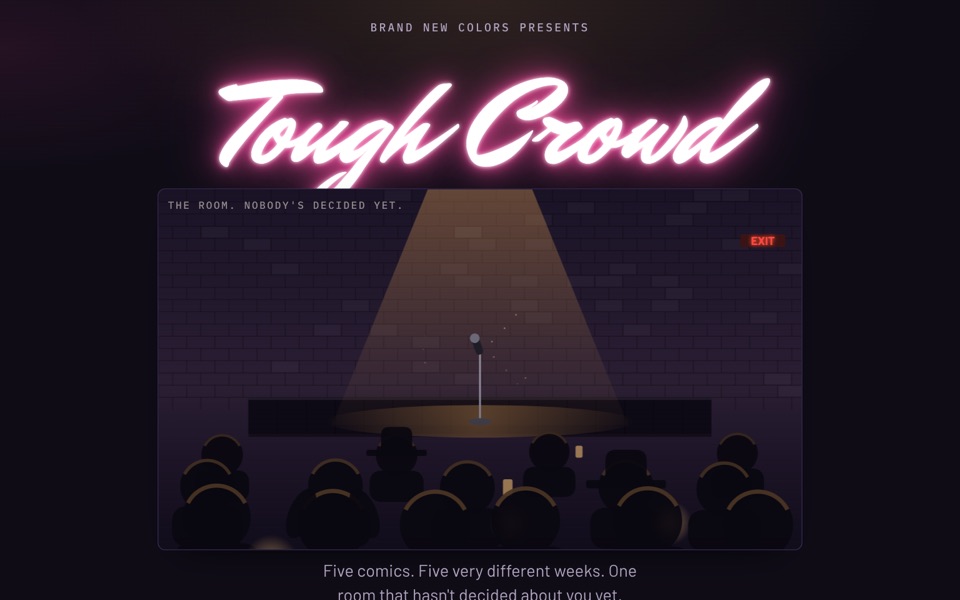
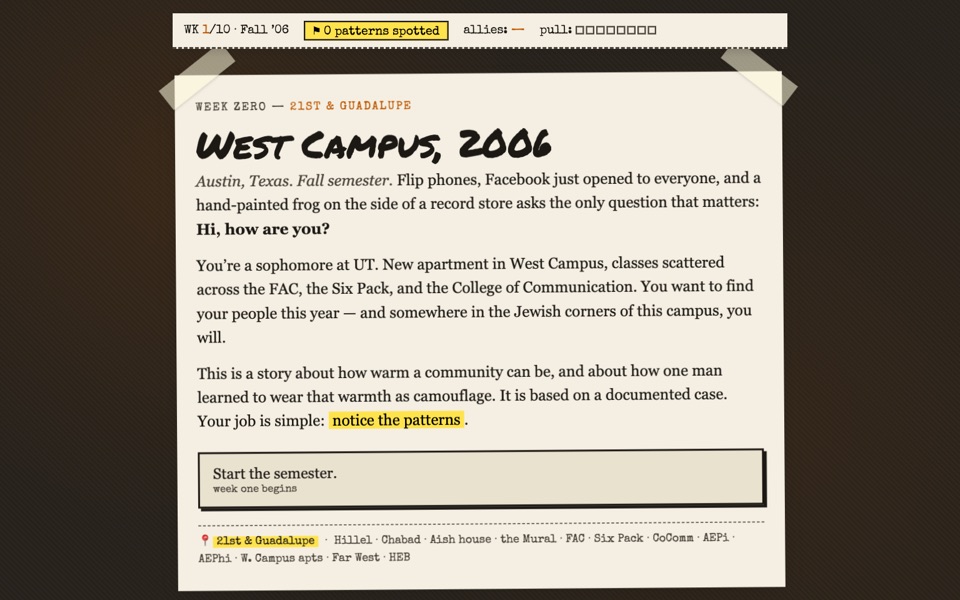
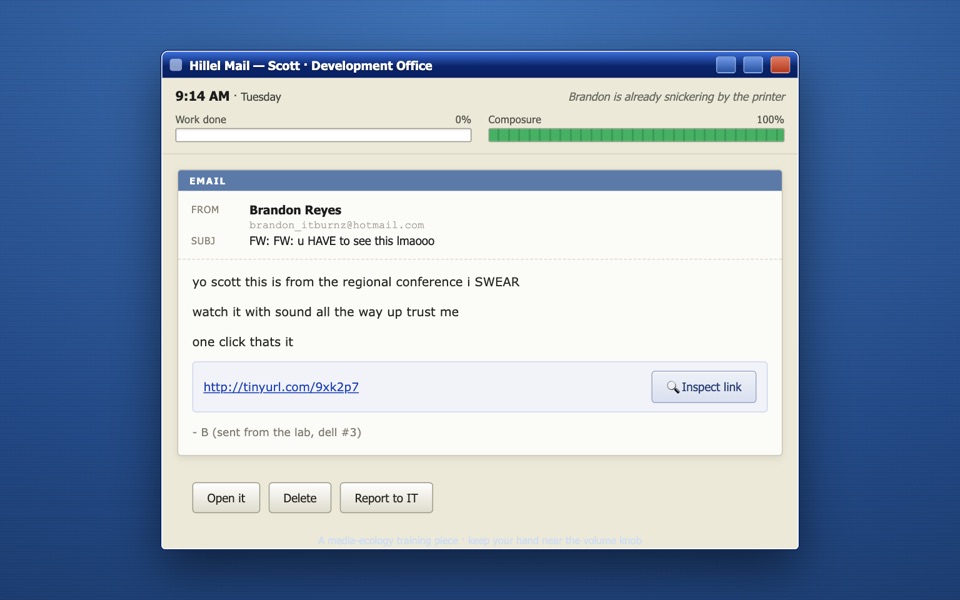
Flip phones, the Facebook wall and the Hillel office.
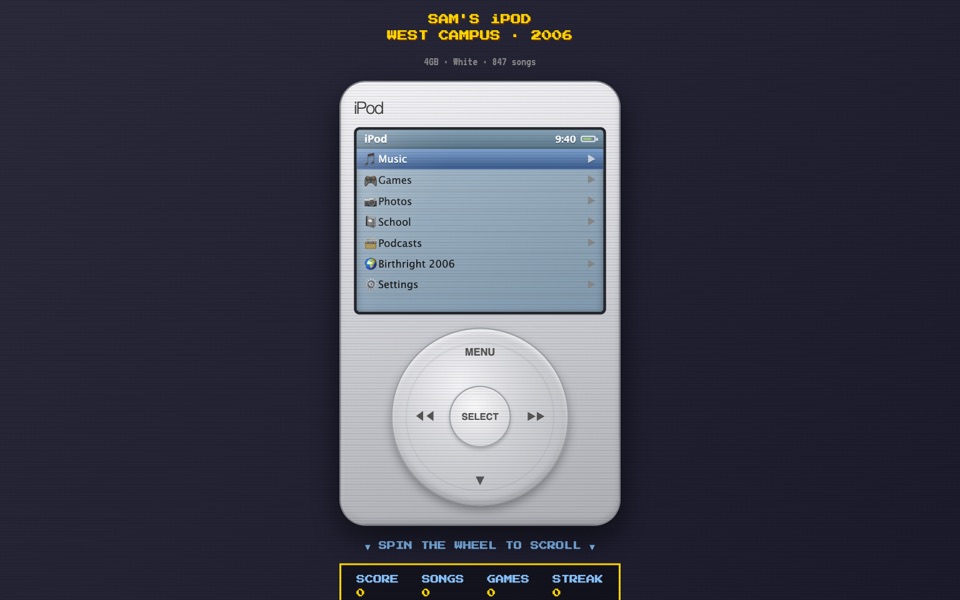
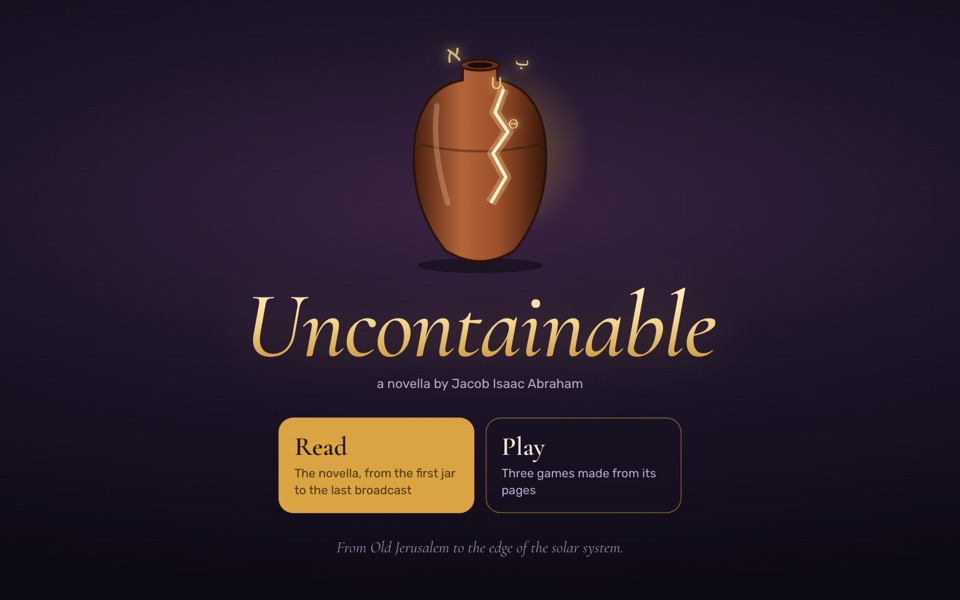
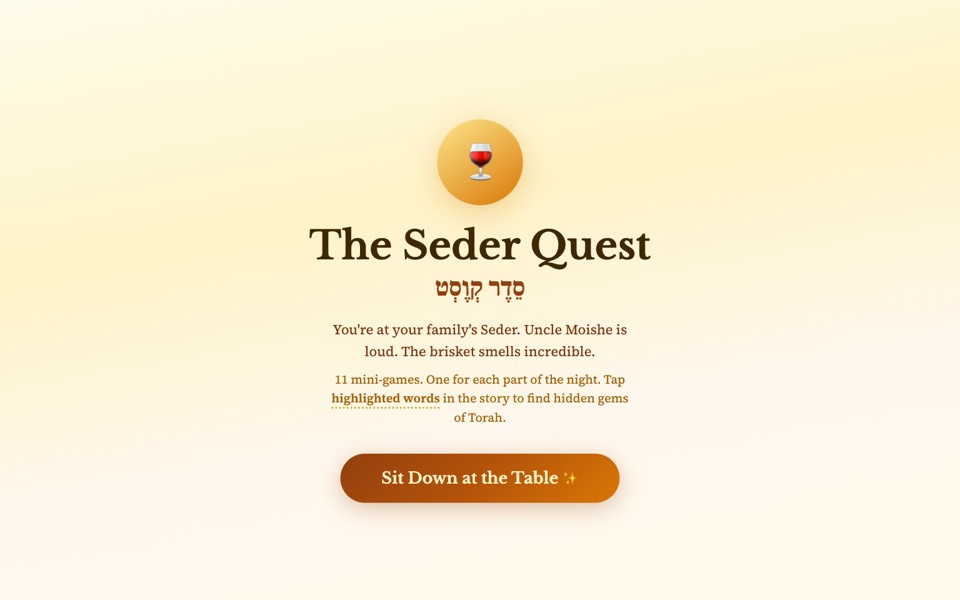
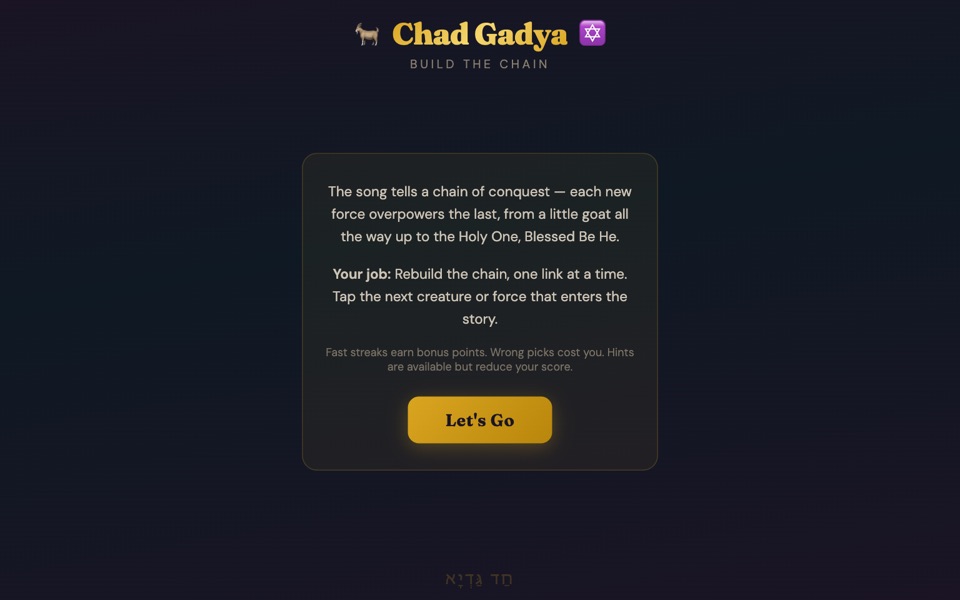
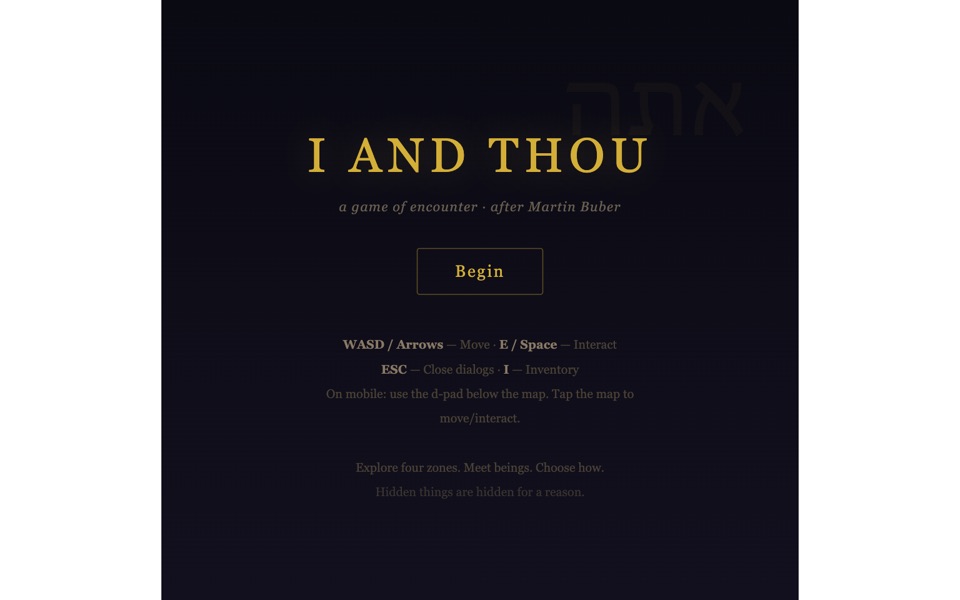
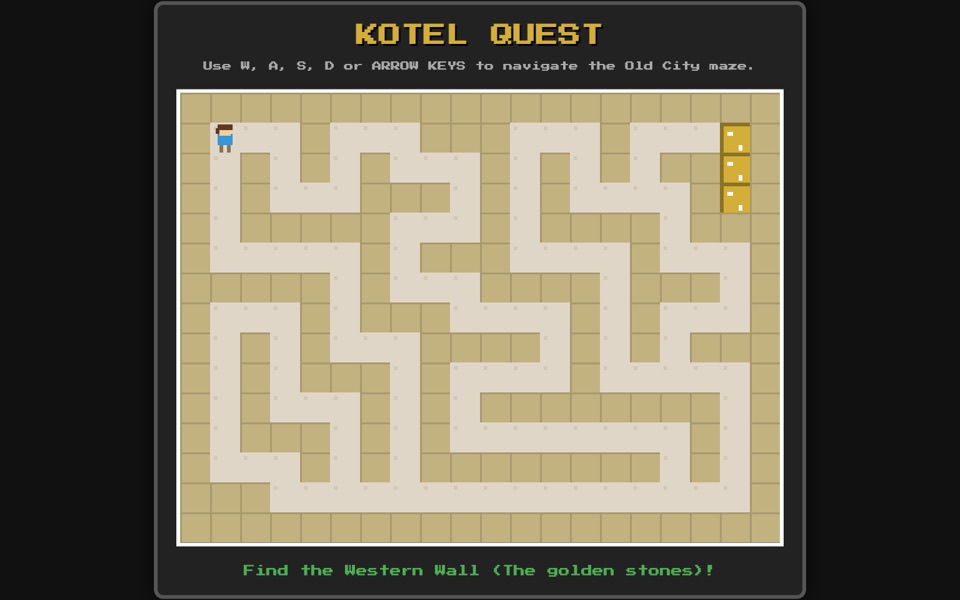
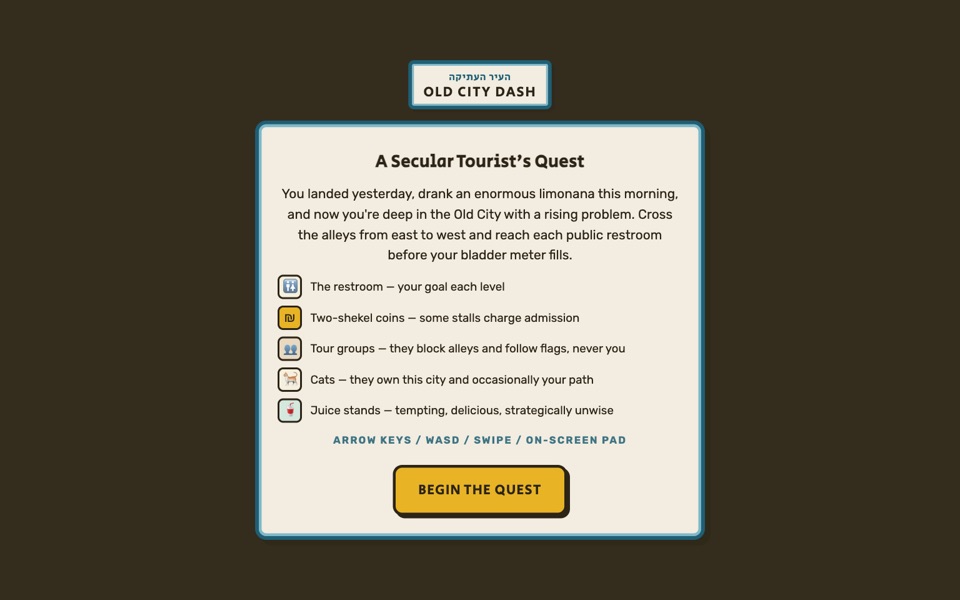
Seders, songs, chapters and the Old City.
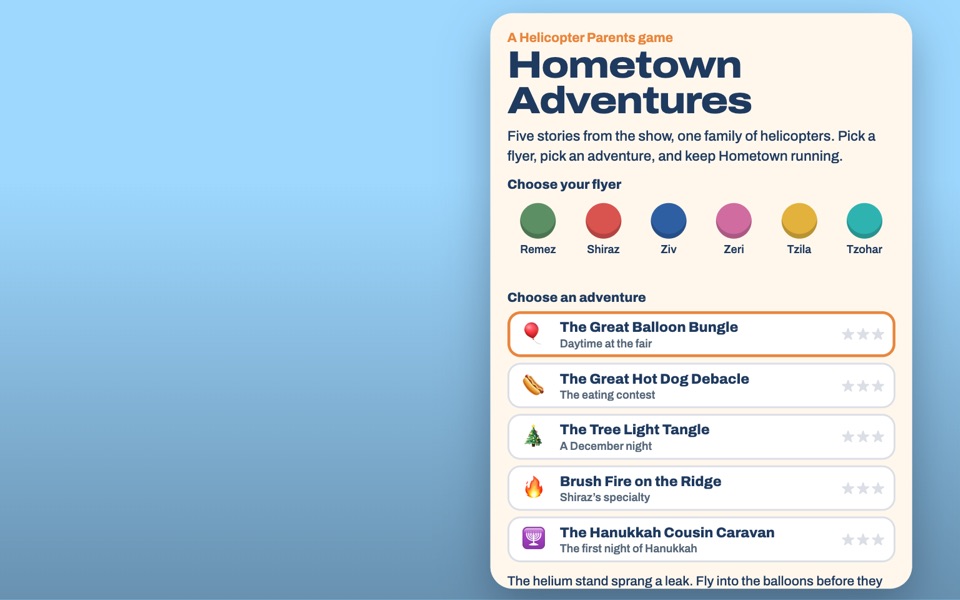
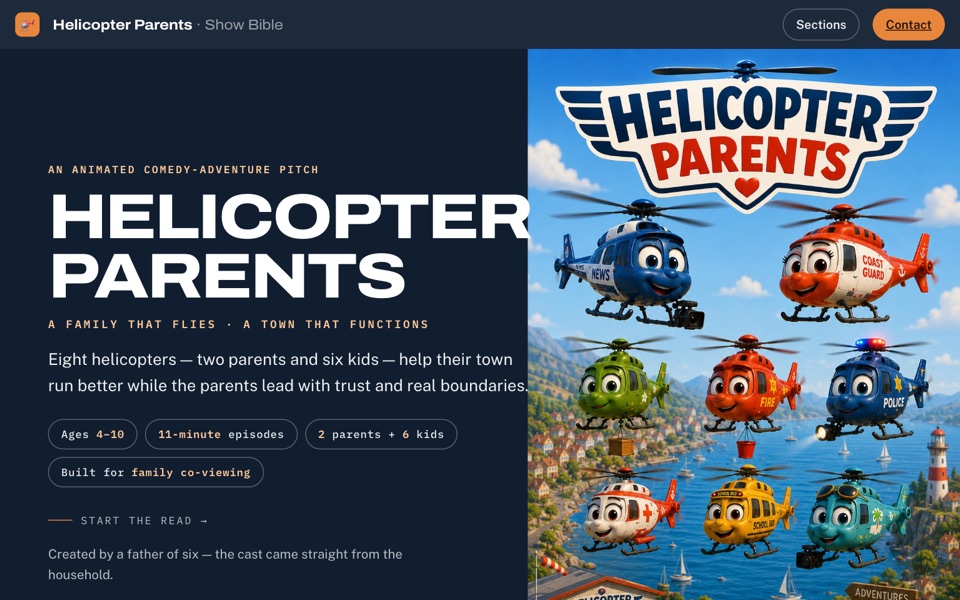
For kids, and the parents hovering over them.
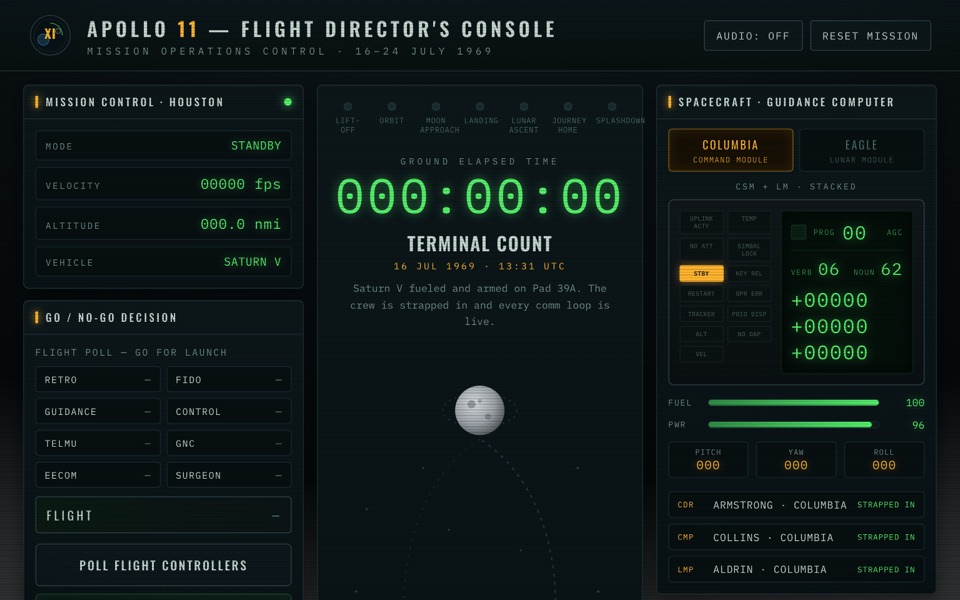
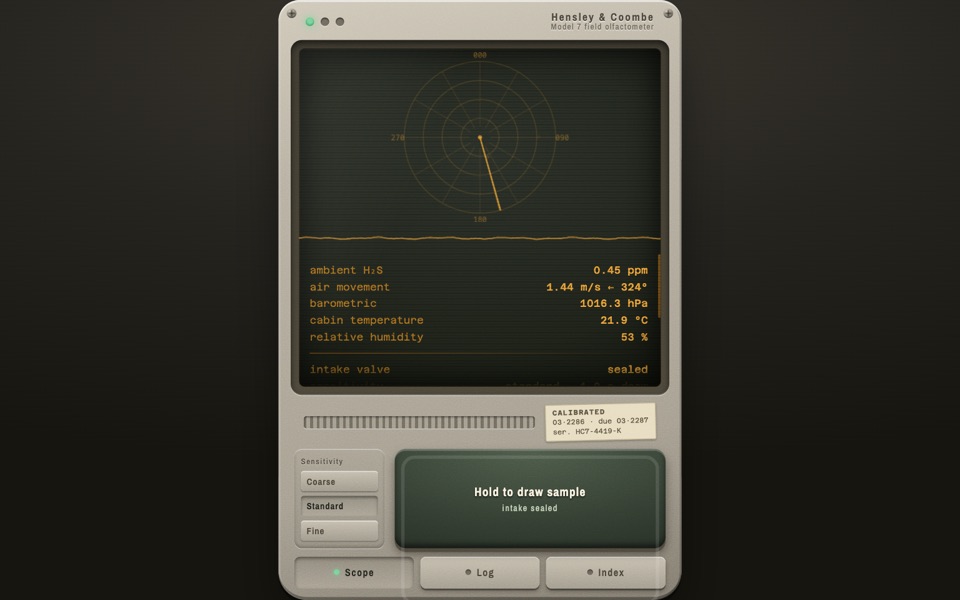
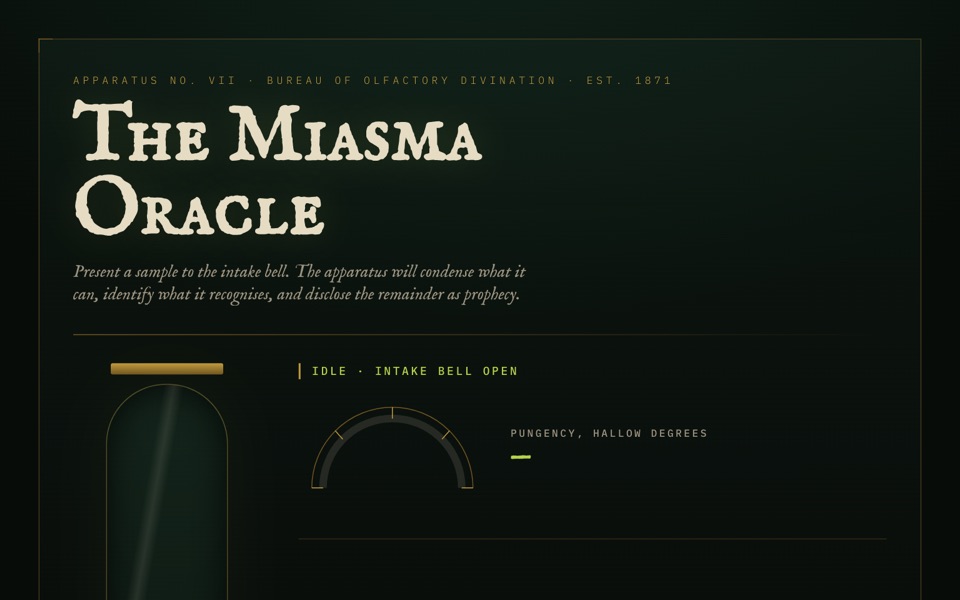
Consoles, gauges and one very serious fart detector.
The format changes what people can do with an idea. A game lets them make the decision. A film directs their attention. We’ll choose the form around the experience you want to create.
Give people a world to explore or a decision to live with. Browser games, interactive stories and simulations built around a particular audience.
See related work ↗Give your work a home that feels like yours. From a clear, memorable website to a tool people return to because it helps them do something.
See related work ↗Find the image, rhythm and structure an idea needs. Animation, short films and visual essays shaped around what you want an audience to notice.
See related work ↗Build around how your company actually works. Connect information and recurring tasks so the next decision takes less digging.
See related work ↗Bring the idea in whatever shape it’s in. We’ll work through who it serves, what it needs to do and a sensible first version.
If you hire the studio to build it, the full $500 is credited toward your commissioned project. This is paid working time with me. You can also send a question before deciding whether a session makes sense.
A rough description is enough to start a conversation.