Games & experiences
Give people a world to explore or a decision to live with. Browser games, interactive stories and simulations built around a particular audience.
See related work ↗A playable world, a website with a point of view, a film, or software built for your business. I help decide what will serve the idea, then build it with you.
Tell me what you're making ↗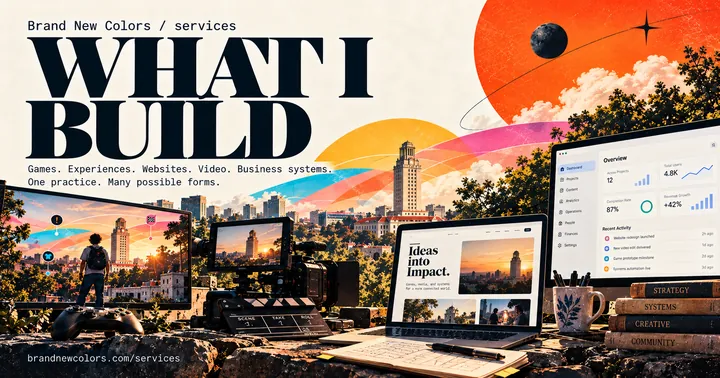
Give people a world to explore or a decision to live with. Browser games, interactive stories and simulations built around a particular audience.
See related work ↗Give your work a home that feels like yours. From a clear, memorable website to a tool people return to because it helps them do something.
See related work ↗Find the image, rhythm and structure an idea needs. Animation, short films and visual essays shaped around what you want an audience to notice.
See related work ↗Build around how your company actually works. Connect information and recurring tasks so the next decision takes less digging.
See related work ↗We start with the people it is for and what you want them to experience or accomplish.
An early working version gives us something concrete to try. AI-assisted production helps me explore possibilities quickly.
We use what the prototype teaches us to improve the experience. The details should earn their place.
We agree on delivery, hosting and ownership in the project scope, along with any training or ongoing support you need.
The first step is not a finished brief. It is enough context to find the useful first version and name what the project needs.
Bring a sketch, a stubborn problem, a link, or a rough idea—plus who it is for and what you want it to do.
The Project Session works through a sensible first version. If the studio builds it, that project is scoped and quoted separately.
Delivery, hosting, ownership, training and ongoing support are named in the project scope, before the build begins.
A project can stay private. Portfolio use is agreed, not assumed, and private client material stays with the project.
A writer wrestling with an outline. An advisor facing a difficult call. These projects started with someone’s actual work, and grew into tools with lives of their own.
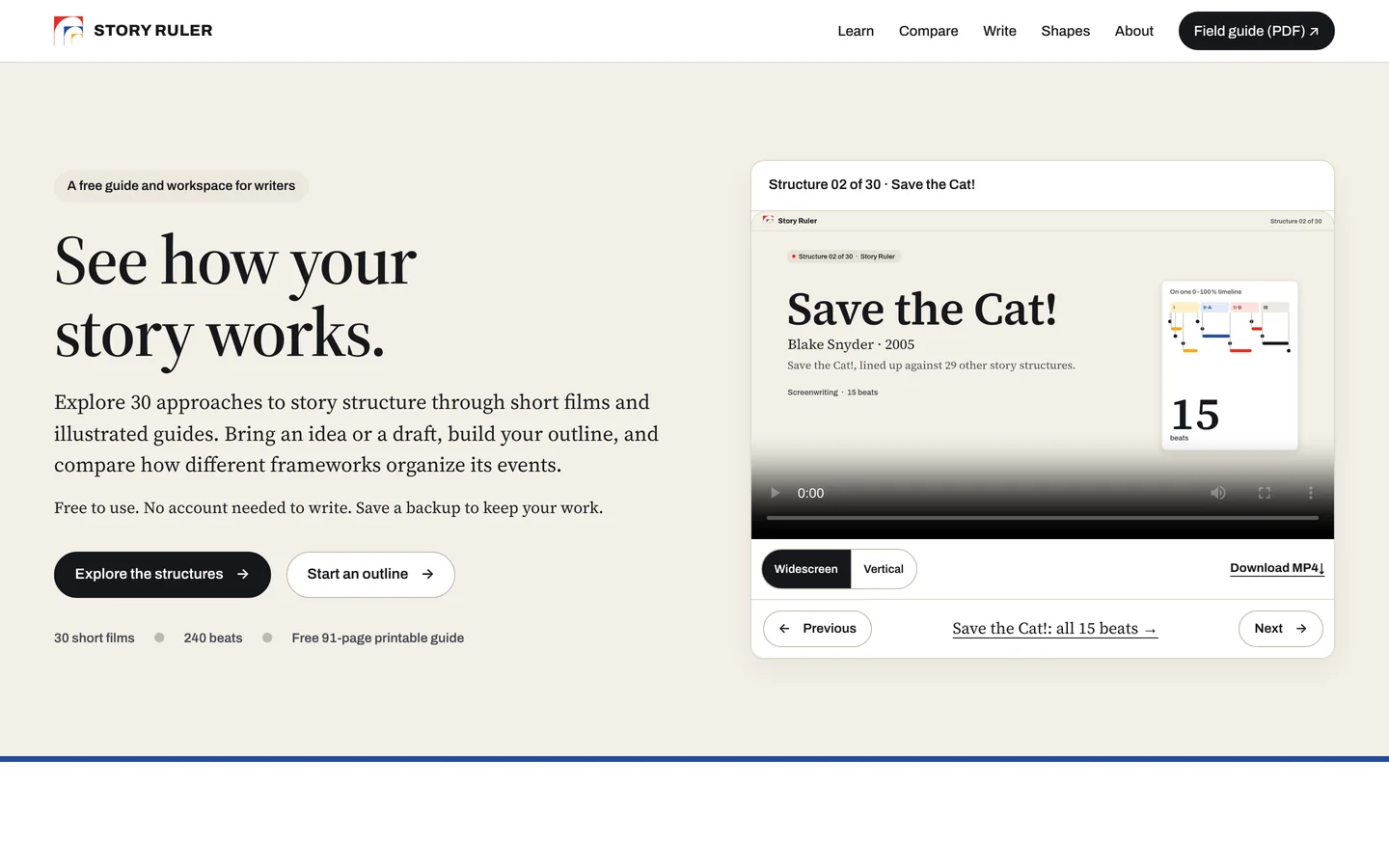 Story structure for writers
See what a different structure brings into view.
Explore 30 story structures through animated lessons, then outline your own work and compare how different frameworks organize its events.
Take a closer look →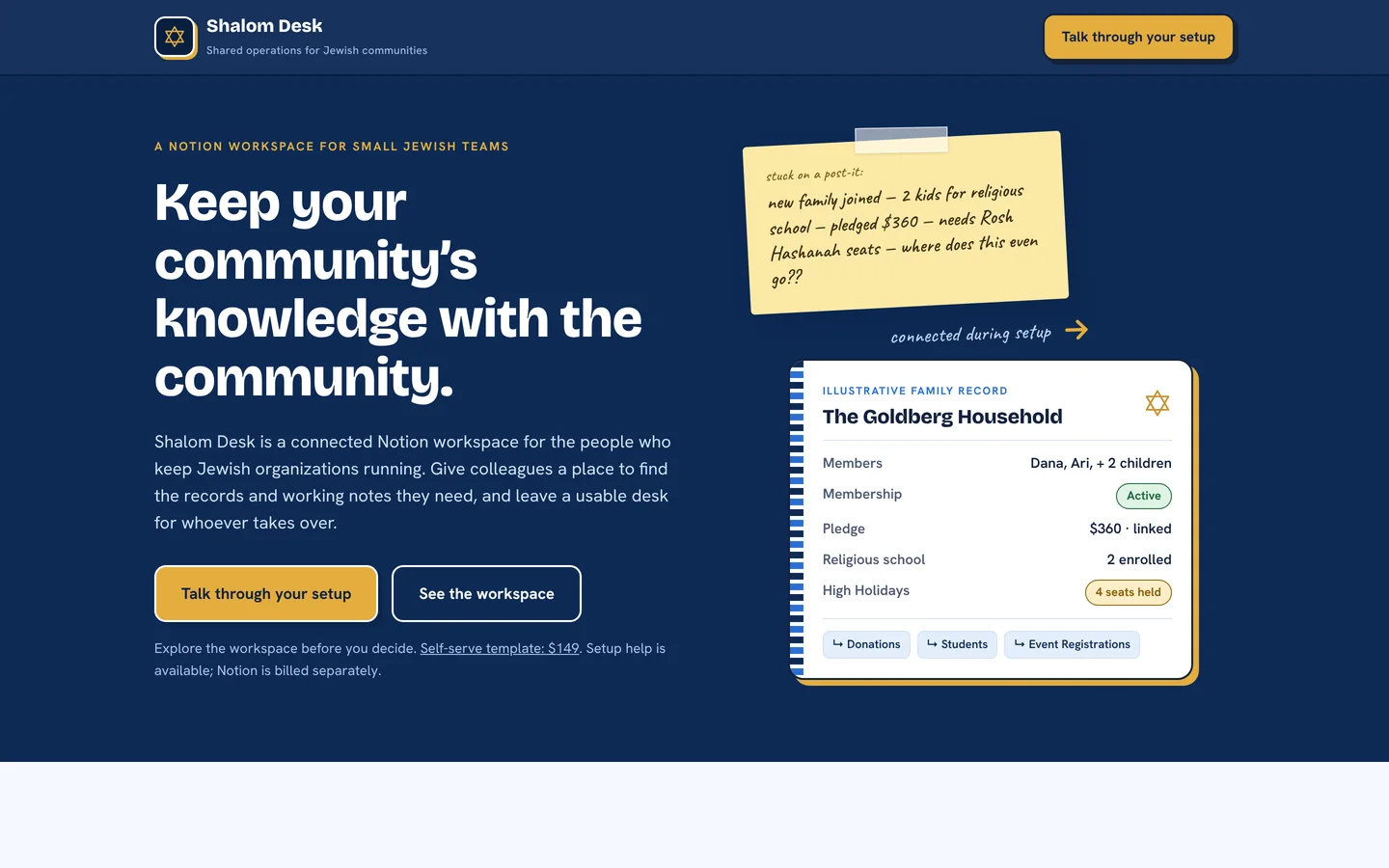 A workspace for Jewish organizations
Help the next person pick up the thread.
A connected Notion workspace for Jewish organizations, bringing shared knowledge and recurring community work into one place.
Take a closer look →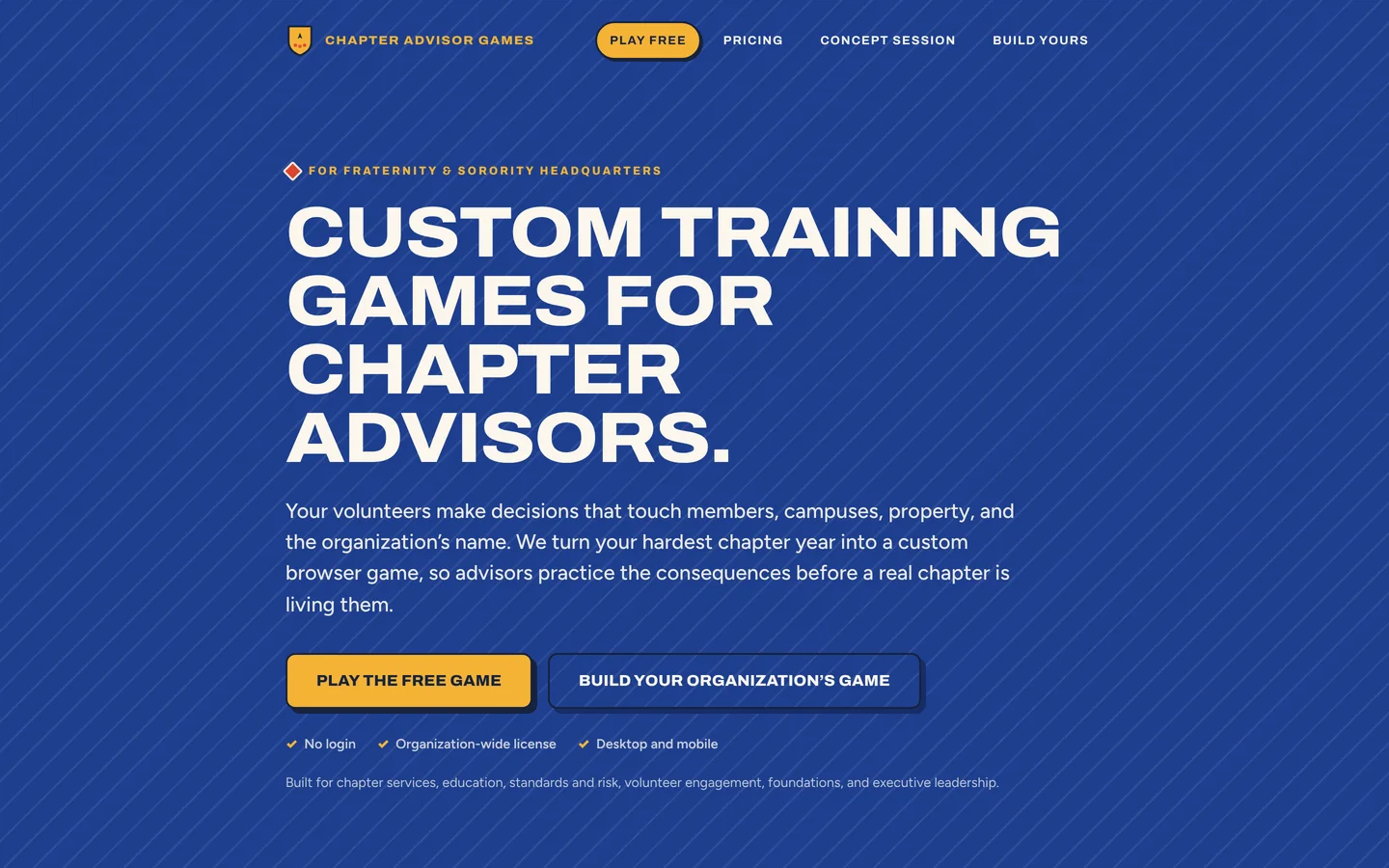 Practice for chapter advisors
The difficult call deserves a practice round.
Interactive simulations for fraternity and sorority chapter advisors, built around the decisions and responsibilities they face.
Take a closer look →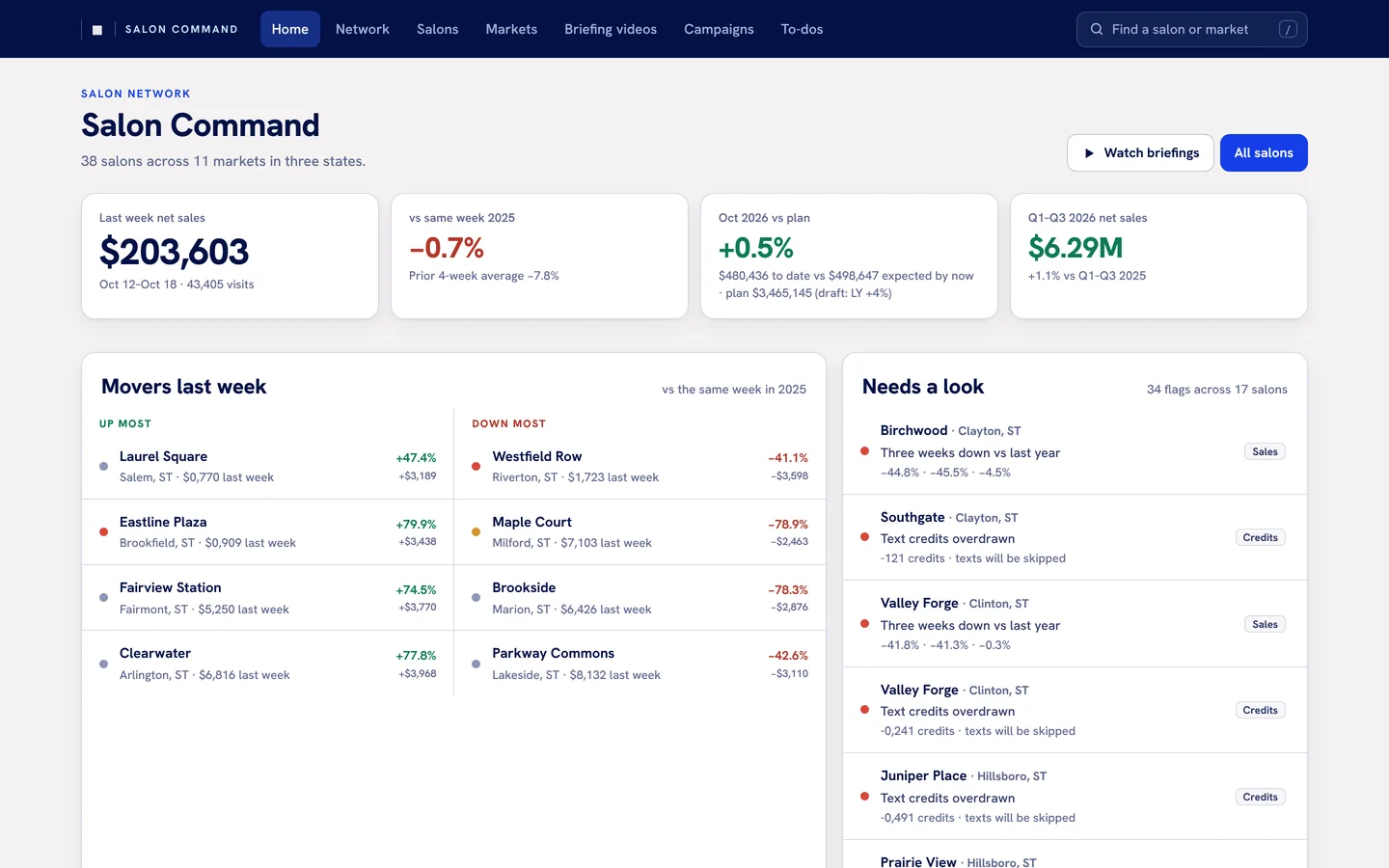 Software for salon operations
See the business beyond the next appointment.
An internal workspace connecting salon locations, local market context and campaigns with the work of following through.
Take a closer look →Explore all the offerings → · Browse the original numbered gallery →
Bring the idea in whatever shape it’s in. We’ll work through who it serves, what it needs to do and a sensible first version.
If you hire the studio to build it, the full $500 is credited toward your commissioned project. This is paid working time with me. You can also send a question before deciding whether a session makes sense.